
Tree Safety Survey Glasgow
A tree safety survey exists to answer one practical question: is this tree, or that overhanging branch, or the trunk that seems to be leaning a bit more than it did last year, actually a risk, and if so, how urgent is it? Rather than a guess based on how a tree looks from the lounge window, a proper survey walks the site, checks the trunk and root plate for the signs that tend to precede failure, and gives each tree a hazard rating with a realistic timescale for action, so a homeowner, landlord or insurer has something concrete to work from rather than a vague suggestion to keep an eye on it.
Most surveys get booked after one of a handful of triggers: a tree that’s leaned further after a storm, cracked paving or heaved soil near the base, dieback showing in part of the crown, or a solicitor or insurer asking for written evidence before a sale or a claim can proceed. Where the report finds work that actually needs doing, that stays a separate job - our tree surgery team quotes for the felling, crown reduction or deadwooding once the survey has set out what’s needed and how soon.
- City Areas: Merchant City, West End, South Side, East End, North Glasgow
- Surrounding Areas: Paisley, East Kilbride, Hamilton, Motherwell, Coatbridge, Airdrie Extended
- Coverage: Stirling, Falkirk, and throughout West and Central Scotland
- Strategic location between Glasgow and Stirling enables rapid response with average emergency time under 2 hours.
Tree Safety Survey Glasgow
Professional Tree Risk Assessments for Glasgow Properties
Emergency Tree Removal
24/7 Response
Free Tree Quote
Professional assessment within 48 hours
Complete Tree Services
General and Specialist Services Available
Storm Damage Response
Immediate Callout
Concerned about dangerous trees threatening your Glasgow property? Tree safety surveys identify hazards before accidents occur, protect your family, and prevent costly insurance complications. Professional risk assessment keeps you legally compliant while avoiding liability disasters. To support comprehensive tree care beyond safety surveys, we also offer full arborist services at cnjtreeservices.co.uk/arborist-services, where our certified professionals assess tree health, provide detailed reports, and advise on planning, risk evaluation, and long-term tree management.
Don’t risk injury, property damage, or legal action from unassessed dangerous trees. CNJ Tree Services delivers comprehensive safety surveys that protect lives and investments.
Call 0141-340-9722 for your FREE tree safety consultation.
Comprehensive Domestic Tree Safety Survey Services Across Glasgow
Why Choose Our Tree Service
Property-Wide Safety Survey
Complete assessment of all trees affecting your property safety. Systematic evaluation identifying current and developing hazards.
- Every significant tree assessed for safety risks
- Hazard rating system prioritising urgent actions
- Zone-based risk assessment considering target areas
- Seasonal and weather-related risk factors
- Long-term monitoring recommendations
Post-Storm Damage Assessment Emergency evaluation following severe weather events. Identify delayed failure risks from storm-weakened trees requiring urgent attention.
Domestic Safety Applications
Family Protection and Child Safety: Priority assessment of trees near play areas, family gardens, and high-use outdoor spaces. Prevent accidents before they occur.
Property and Building Protection: Evaluate trees threatening buildings, driveways, and valuable property features. Early identification prevents expensive damage.
Insurance Requirement Fulfilment: Professional documentation satisfying home insurance safety obligations and supporting damage claims.
Legal Liability Protection: Demonstrate reasonable care and due diligence protecting against neighbour compensation claims and legal action.
Pre-Purchase Property Assessment: Identify tree-related risks before property purchase, enabling informed decisions and negotiation points.
FREE tree safety assessment for urgent dangerous trees. Call 0141-340-9722.
homeowners, from single dangerous trees to entire property surveys. Our professional evaluations prevent accidents while protecting your investment.
Professional Tree Safety Assessment Types
Individual Tree Risk Assessment Detailed evaluation of specific trees causing concern. Comprehensive analysis of structural integrity, disease symptoms, and failure potential.
- Visual Tree Assessment (VTA) methodology
- Structural defect identification and analysis
- Disease and decay detection and assessment
- Root stability evaluation and soil condition analysis
- Risk probability calculations and impact assessment
- Clear management recommendations with priorities
Tree Risk Assessment and Hazard Identification Process
Professional tree safety surveys follow rigorous National Tree Safety Group (NTSG) and Health and Safety Executive (HSE) guidelines ensuring comprehensive hazard identification and appropriate risk management.
Advanced Risk Assessment Methodology
Visual Tree Assessment (VTA) Techniques: Systematic evaluation identifying structural defects, disease symptoms, and failure indicators using proven international assessment methods.
Structural Integrity Evaluation:
- Trunk and stem condition assessment including decay detection
- Branch structure analysis identifying weak unions and failures
- Root system evaluation including stability and soil conditions
- Crown condition analysis including deadwood and disease symptoms
- Load-bearing capacity assessment considering tree mechanics
Risk Probability Calculations: Professional evaluation determining likelihood of failure considering target areas, weather exposure, and structural condition.
Hazard Identification Categories
Immediate Danger Trees: Trees requiring urgent attention within 24-48 hours due to imminent failure risk. Emergency removal is often necessary.
High-Risk Trees: Trees requiring action within weeks to months. Structural problems developing requiring professional intervention.
Moderate Risk Trees: Trees needing monitoring and management within 1-2 years. Preventive work reducing risk development.
Low Risk Trees: Healthy trees requiring routine monitoring. Normal maintenance prevents risk development.
Scientific Assessment Tools
Resistograph Decay Detection: Advanced drilling technique detecting internal decay invisible to visual inspection. Precise measurement of wood density changes.
Sonic Tomography: Sound wave analysis revealing internal tree structure and decay patterns. Non-invasive technology identifying hidden defects.
Root Investigation Techniques: Soil analysis and root inspection identifying foundation stability and underground defects affecting tree safety.
Professional risk assessment using latest scientific methods. Call 0141-340-9722.
Our Professional Tree Safety Survey Process
CNJ Tree Services follows systematic assessment protocols ensuring no safety risk goes undetected. Comprehensive evaluation protects families while demonstrating legal due diligence.
Stage 1: Initial Safety Assessment
Emergency Response Evaluation: Immediate assessment determining if urgent action required for dangerous trees. Safety-first approach protecting lives and property.
Site Context Analysis: Evaluation of property use patterns, target areas, and risk exposure considering family activities and building proximity.
Historical Risk Factors: Assessment of previous storm damage, construction impact, and soil changes affecting tree stability and safety.
Stage 2: Detailed Tree Evaluation
Comprehensive Tree Inspection: Systematic evaluation of every tree affecting property safety using professional assessment criteria and scientific methodology.
Health and Condition Analysis:
- Disease identification and progression assessment
- Pest damage evaluation and treatment requirements
- Nutritional deficiency detection affecting tree stability
- Environmental stress factors including drought and pollution
- Age-related decline indicators and life expectancy estimates
Structural Defect Identification: Professional detection of weakness, decay, and failure indicators requiring immediate attention or ongoing monitoring.
Stage 3: Risk Documentation and Management
Professional Safety Report: Comprehensive documentation including photographic evidence, risk ratings, and clear management recommendations prioritised by urgency.
Action Plan Development: Specific recommendations for each identified risk including timescales, treatment options, and cost estimates for resolution.
Insurance and Legal Documentation: Professional reports satisfying insurance requirements and demonstrating legal compliance with duty of care obligations.
Quality Assurance Standards
NTSG Compliance: All assessments follow National Tree Safety Group guidelines ensuring proportionate risk management and legal compliance.
HSE Standards: Health and Safety Executive approved methodology demonstrating reasonable and adequate risk assessment.
Professional Qualifications: NPTC, Lantra, FMO, and NPORS certified arborists with specialist safety assessment training and continuing professional development.
Comprehensive safety surveys completed within 48-72 hours. Call 0141-340-9722.
Tree Safety Survey Costs in Glasgow (Pricing insights and factors)
Professional tree safety surveys represent excellent value considering the costs of accidents, liability claims, and emergency removals. CNJ Tree Services delivers transparent pricing with comprehensive risk protection.
Typical Tree Safety Survey Costs
Single Tree Risk Assessment: £150-£395 Individual dangerous tree evaluation including structural analysis, risk rating, and management recommendations. Ideal for specific safety concerns.
Property Safety Survey: £250-£500 Comprehensive assessment of all trees affecting property safety. Includes risk prioritisation, management planning, and insurance documentation.
Large Property Survey: £695-£1,495 Extensive properties with numerous trees requiring detailed evaluation. Comprehensive safety analysis with long-term management planning.
Emergency Dangerous Tree Assessment: £295-£495 Urgent safety evaluation for immediately dangerous trees. Same-day assessment with emergency action recommendations.
Factors Affecting Safety Survey Costs
Property Size and Tree Population: Larger properties with numerous trees require more assessment time. Accurate tree counts help provide precise quotes.
Risk Complexity and Access: Dangerous trees in difficult locations may require specialist access equipment and additional safety measures during assessment.
Documentation Requirements: Insurance claims or legal requirements may need enhanced reporting with detailed photographic evidence and technical analysis.
Assessment Urgency: Standard surveys completed within 5-7 days. Emergency assessments available same-day with premium pricing for urgent safety concerns.
Why Safety and Legal Compliance Matter for Tree Assessment
Homeowners have legal responsibilities for tree safety under Health and Safety legislation and common law. Professional safety surveys demonstrate due diligence while protecting families and property.
Legal Responsibilities for Tree Owners
Duty of Care Obligations: Property owners liable under common law for foreseeable harm from trees on their land. Regular assessment demonstrates reasonable care.
Health and Safety at Work Act: Employers and those affecting public safety must manage tree risks appropriately. Professional assessment satisfies legal obligations.
Occupiers Liability Acts: Landowners responsible for visitor safety including delivery personnel, contractors, and neighbours affected by their trees.
Insurance and Liability Protection
Home Insurance Requirements: Many policies require evidence of reasonable tree management. Professional assessments satisfy insurance obligations and support claims.
Third-Party Liability Coverage: Safety surveys document risk management protecting against compensation claims from neighbours or public injury.
Legal Defence Documentation: Professional reports provide evidence of reasonable care in event of accidents or liability claims.
Glasgow-Specific Considerations
Atlantic Weather Exposure: Glasgow’s wind and storm exposure increases tree failure risk. Regular assessment accounts for local weather patterns.
Urban Tree Stress: City pollution, soil compaction, and root restriction create unique safety challenges requiring professional evaluation.
Conservation Area Requirements: Protected areas may limit tree management options. Professional advice balances safety with conservation obligations.
Professional Standards Compliance
National Tree Safety Group (NTSG) Guidelines: Industry-recognised standards for proportionate tree risk management endorsed by Health and Safety Executive.
British Standard Compliance: Assessment follows BS3998 tree work standards and recognised professional methodology.
Continuing Professional Development: Our arborists maintain current knowledge through ongoing training in latest risk assessment techniques and legal requirements.
Complete legal compliance documentation included. Call 0141-340-9722.
Frequently Asked Questions
What is a tree safety survey and do I need one for my Glasgow property?
A tree safety survey is professional evaluation identifying hazards and risks from trees on your property. You need one if you’re concerned about tree condition, following storm damage, for insurance requirements, or fulfilling legal duty of care obligations. Assessment identifies dangerous trees before accidents occur, protecting family safety and preventing liability claims. Professional surveys demonstrate reasonable care protecting against legal action while providing peace of mind about tree safety around your home.
How much does a tree safety survey cost in Glasgow?
Tree safety surveys cost £150-£1,495 depending on property size and assessment complexity. Single dangerous tree evaluation costs £155-£395, while comprehensive property surveys range £395-£795. Emergency dangerous tree assessment costs £295-£495 for same-day service. Investment prevents accident costs, liability claims, and emergency removal expenses. Professional assessment saves money by identifying problems early when treatment costs less than emergency interventions.
When is the best time to have tree safety assessment on my property?
Tree safety assessment should be conducted following storms, when visible damage appears, or annually for high-risk trees. Best timing is late autumn through early spring when leaf loss reveals structural problems. However, dangerous trees require immediate assessment regardless of season. Emergency evaluation needed after storm damage, visible cracking, or sudden branch failure. Regular monitoring every 2-3 years prevents problems developing while ensuring ongoing safety compliance.
How long does a tree safety survey take to complete?
Individual tree assessments take 30-60 minutes on-site with reports delivered within 24-48 hours. Complete property surveys require 2-8 hours depending on tree numbers and complexity. Emergency dangerous tree assessment provides immediate verbal recommendations with written reports within 24 hours. Standard non-urgent surveys completed within 5-7 working days including comprehensive documentation and management recommendations for identified risks.
Do I need permission for tree safety assessment on my property?
No permission required for tree safety surveys - they’re non-invasive visual assessments involving no tree work or damage. Surveys may include neighbouring trees affecting your property safety, handled professionally by our certified arborists. Assessment protects trees by identifying appropriate management preventing unnecessary removal. Professional evaluation actually supports tree retention by recommending minimal intervention maintaining safety while preserving valuable trees.
Can tree safety surveys help with insurance claims?
Yes, professional tree safety surveys provide essential documentation supporting insurance claims for storm damage, property damage, and liability protection. Reports demonstrate reasonable care and due diligence required by insurance policies. Pre-accident assessment protects against claim rejection while post-damage evaluation provides evidence supporting compensation claims. Professional documentation strengthens claim positions and ensures proper processing by insurance companies.
What happens if my tree safety survey finds dangerous trees?
Dangerous trees receive immediate priority recommendations with clear action timescales. Urgent risks may require emergency removal within 24-48 hours for safety protection. Less critical issues receive management recommendations with appropriate timescales for resolution. We coordinate emergency removal services when needed and provide ongoing consultation throughout treatment processes. Insurance documentation supports emergency work costs while professional management minimises overall expenses through planned interventions.
How often should I have tree safety surveys on my property?
High-risk trees require annual assessment while healthy mature trees need evaluation every 2-3 years. Following severe weather, immediate assessment identifies storm damage and delayed failure risks. Trees near buildings, play areas, or high-use spaces benefit from annual monitoring. Professional recommendations include appropriate inspection frequencies based on tree condition, species, age, and risk factors. Regular monitoring prevents problems developing while maintaining safety compliance and legal protection.
Choose CNJ Tree Services for Professional Tree Safety Surveys in Glasgow
Glasgow’s challenging climate and mature urban trees create significant safety risks requiring professional expertise. Tree safety surveys protect your family while demonstrating legal compliance and due diligence.
Our Service Areas
We Cover All of Glasgow and West Scotland
Primary Coverage:Balfron, East Dunbartonshire, Glasgow City, Killearn, Renfrewshire, South Lanarkshire (selected areas), Stirling, Strathblane, West Dunbartonshire.
Key Locations
Key Locations: Balfron, Bearsden, Bothwell, Clarkston, Clydebank, East Kilbride, Fintry, Giffnock, Hamilton, Killearn, Kippen, Kirkintilloch, Milngavie, Newton Mearns, Paisley, Strathblane, Stirling.
Emergency Response: 50-mile radius
Commercial Projects: We undertake commercial projects across Scotland.
CNJ Tree Services
Address
Office 1, Technology House,
9 Newton Pl, Glasgow G3 7PR, United Kingdom
Call Now
Office Hours
Monday-Friday: 8AM-6PM
Saturday: 8AM-4PM
Sunday: Emergency only
24/7 Availability
Online Presence
Website: www.cnjtreeservices.co.uk
Rated People: Callum Jackson
Gallery of Previous Work Done
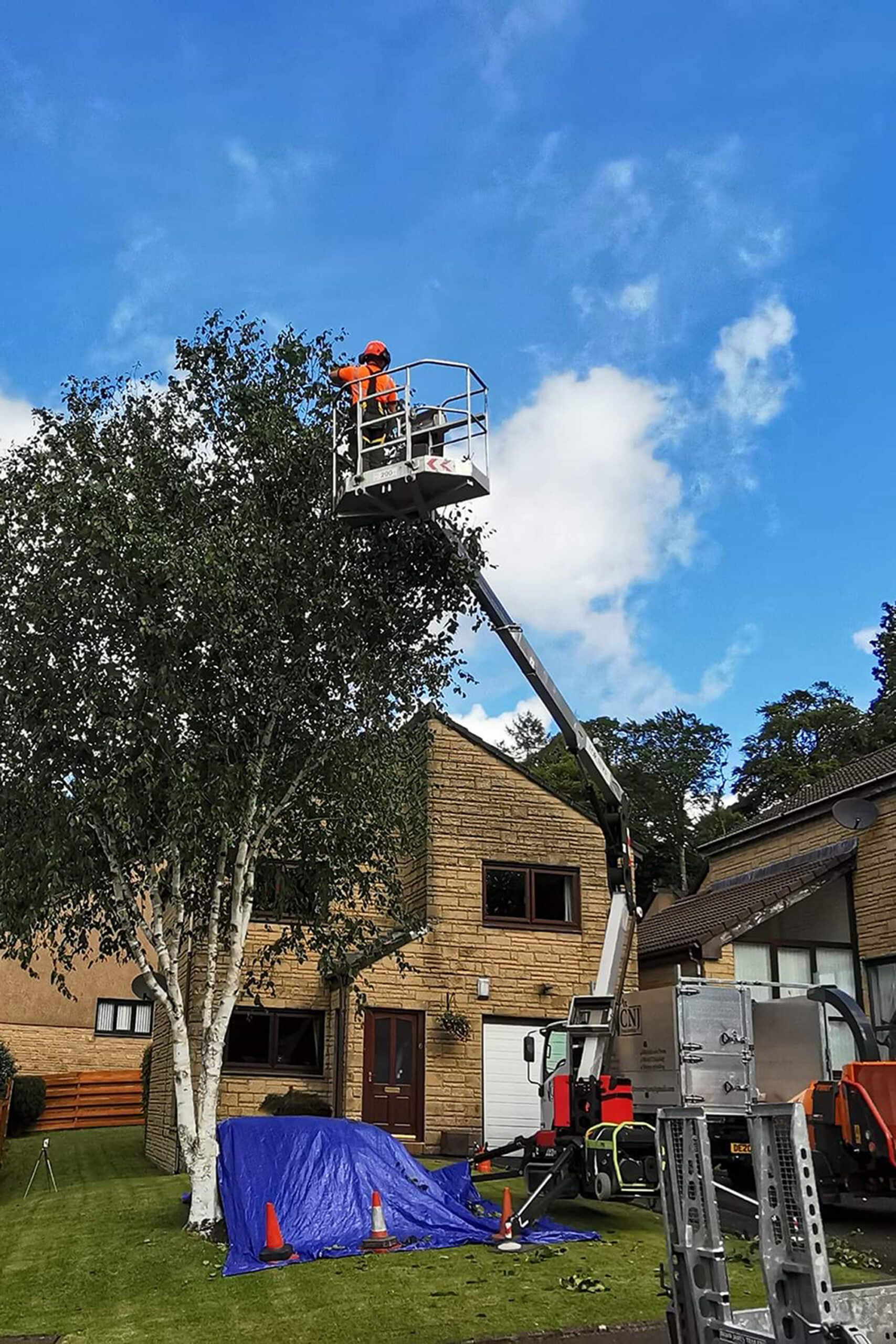
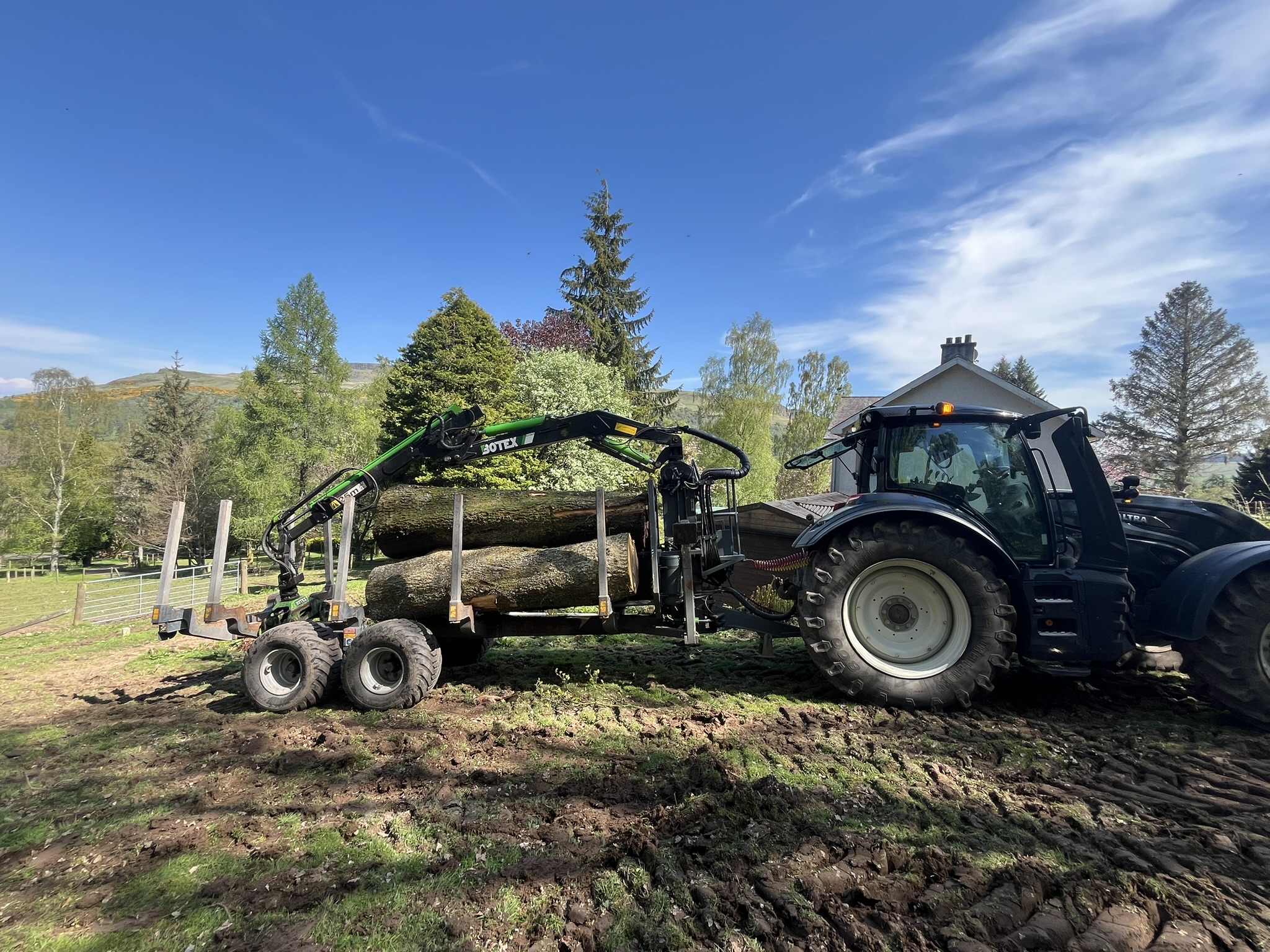
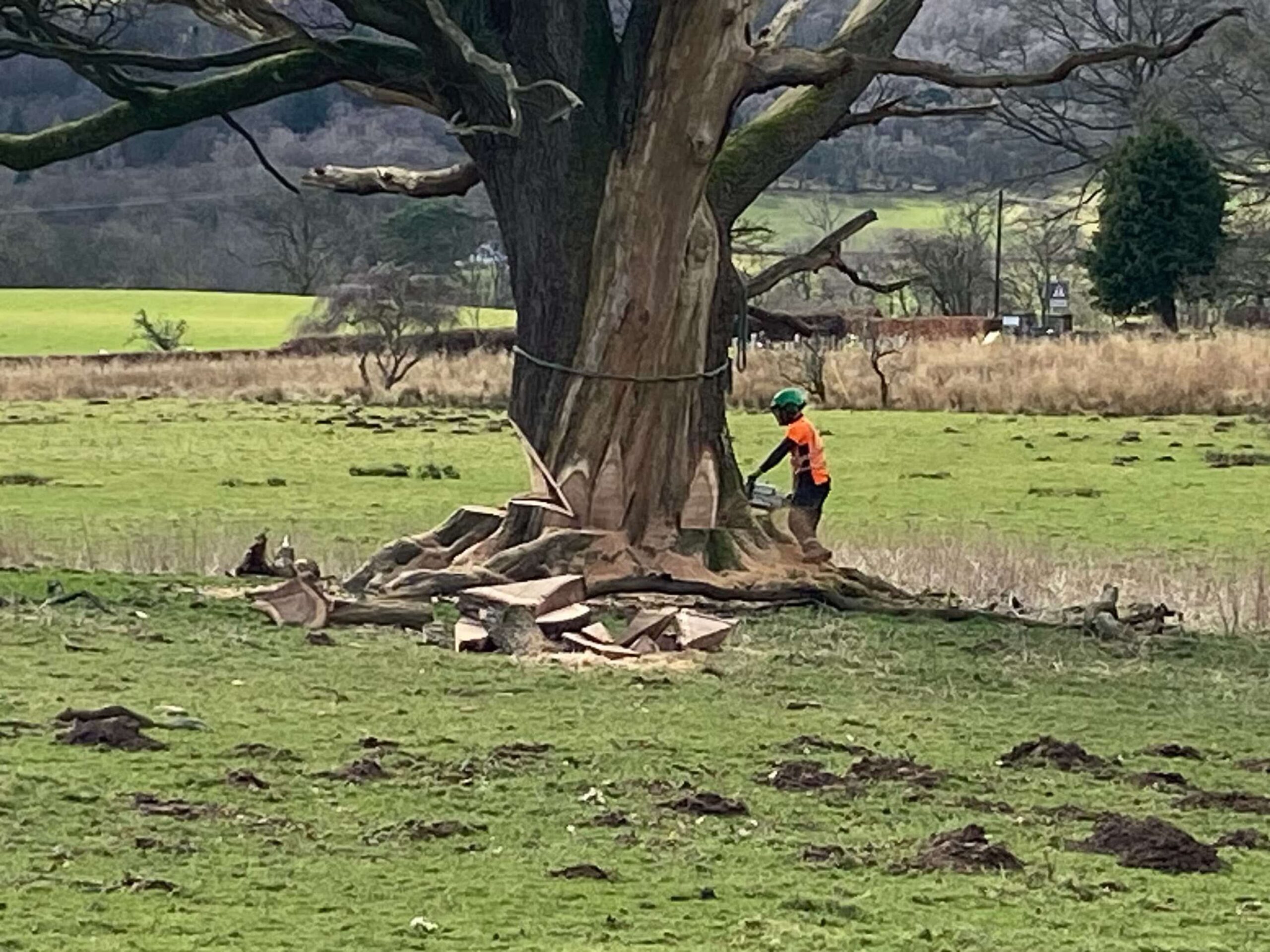
Why Choose CNJ Tree Services?
Scotland's leading comprehensive tree and property service company.
60+ Specialist Tree Services
From basic pruning to de-vegetation and complex ecological assessments
30+ Years of Experience
Core team made up of highly experienced third-generation tree surgeons
24-hour Availability For Emergencies
Average response time under 2 hours
Up to £5M
Insurance Cover
Comprehensive cover for complete peace of mind
Professional Credentials
NPTC, Lantra, FMO and NPORS certified professionals ensuring the highest standards of safety and expertise on every project.
Environmental Expertise
Ecological surveys and compliance specialists
What Our Clients Have Said About Us
Jackie Breen
From the first time getting in touch with Callum, the service was fantastic, he came out gave us a great quote and was able to do the job very quickly. The boys that came to carry out the work were professional, friendly and worked non stop to get the job done, they were so careful with machinery on the property as well and left the garden and paths spotless before they left. I would highly recommend them.
Alan
Callum and his team arrived on the agreed day & time, carried out the tree felling with impeccable professionalism and cleared up after. The work was done at the quoted price and they were very pleasant guys with no bad language. I highly recommend CNJ and I will certainly be using Callum and his 5 star tree fellas again.
Robin Campbell
Callum and his team felled four 40-foot+ trees in our garden, facing particular challenges (2 trees hanging over our LPG tank, one menacing a precious rhododendron). They worked incredibly hard, were great to deal with and we would thoroughly recommend them.
Contact Us Today
What a CNJ Safety Survey Covers, and What It Doesn’t
- A visual tree assessment (VTA) of every tree on the property that could present a risk, carried out to the National Tree Safety Group and BS3998 methodology used on our planning-grade surveys
- A hazard rating for each tree - immediate danger, high, moderate or low risk - with a realistic timescale for action rather than a blanket recommendation to fell
- Resistograph drilling or sonic tomography where a visual check alone can’t confirm suspected internal decay, instead of guessing at what’s inside the trunk
- A written report with photographs and risk ratings, built so it can be handed to an insurer, solicitor or council planning officer as evidence of due diligence
- A same-day emergency assessment after storms, for trees with wind-loosened root plates, hung-up branches or fresh trunk cracking
Not Included / Costed Separately
- The remedial work itself - felling, crown reduction, deadwooding - is quoted and carried out separately once the survey identifies what’s needed; see our tree surgery services for that side of the job
- Full BS5837 planning-stage surveys for a development or extension application, which follow a different report format geared to a council planning department rather than a household risk check
- Physical access onto a neighbour’s land to inspect their trees without permission - we can assess visible risk from your boundary, but a full inspection of a tree you don’t own needs their agreement
- Laboratory decay analysis beyond resistograph and sonic tomography - if a tree needs that level of forensic testing we’ll say so and refer accordingly
- Submitting or obtaining Tree Preservation Order or Conservation Area consent - our findings support that application, but the consent process itself sits with the local council
How a Safety Survey Runs, From the First Call to the Report Landing in Your Inbox
- Initial call and triage: You describe the concern - a leaning trunk, storm damage, cracked paving near the base, or a report an insurer or solicitor has asked for - and send photos if you can. That’s enough to judge urgency: a tree with a visibly wind-loosened root plate or a hung-up branch gets offered a same-day slot rather than the standard booking queue.
- On-site visual tree assessment: Every tree on the property that could present a risk gets checked in turn - trunk for cracking, cavities or included bark, crown for deadwood and dieback, base and root plate for heave, cracked soil or fungal fruiting bodies - using the VTA method that underpins our BS3998-compliant surveys, not a walk-past glance.
- Internal decay testing where the visual check isn’t conclusive: If a trunk sounds hollow on a tap test or shows a wound that could mask internal decay, we drill with a resistograph or run sonic tomography on site rather than assuming the worst - or the best - from the outside alone.
- Hazard rating and timescale assigned: Each tree gets rated immediate danger, high, moderate or low risk, with a timescale attached - days for something genuinely dangerous, months or longer where a fault exists but isn’t urgent - rather than a single blanket recommendation to fell.
- Written report delivered: You get a document with photographs, ratings and reasoning for each tree, written so it stands as evidence for an insurer, solicitor or council rather than a verbal opinion that’s hard to act on or refer back to later.
- Follow-up quote for any remedial work: If the report flags work that needs doing, that’s priced and scheduled as a separate job according to the urgency of the rating - an immediate-danger tree gets a felling or reduction quote turned around fast, not queued behind routine work.
Where a Professional Inspection Earns Its Cost Over a Look From the Ground
| A look from the ground yourself | General gardener or handyman opinion | CNJ NPTC PTI safety survey | |
|---|---|---|---|
| Who carries it out | You, from ground level | A non-specialist tradesperson | Callum Jackson, NPTC Professional Tree Inspector (qualified 2023) |
| Assessment method | Visual only, no formal criteria | Visual, based on general gardening experience | VTA methodology, plus resistograph or sonic tomography when decay is suspected |
| Written report for insurers or council | No | Rarely, and informal | Yes - photographs, risk ratings and BS3998-referenced recommendations |
| Detects hidden internal decay | No | No | Yes, via resistograph drilling or sonic tomography |
| Stands up as duty-of-care evidence | No | Limited | Yes - follows NTSG and HSE-referenced methodology |
Who’s Actually Rating the Risk
The hazard ratings in your report are written by Callum Jackson, who holds the NPTC Professional Tree Inspector qualification, gained in 2023 - the specific certificate that covers formal risk assessment and BS5837 methodology, rather than a general arboriculture ticket. What that adds to a safety survey is less about the paper itself and more about what sits behind it: years spent climbing into and felling trees showing the same wind-loosened root plates, hung-up deadwood and trunk cracking that turn up on a typical survey, so a rating of “high risk” reflects what that fault has actually gone on to do in similar trees, not just a checklist description of it. Where a resistograph reading or sonic tomography scan comes back inconclusive, that same practical background in dismantling and felling is what informs the judgement call on whether a tree can be left standing a while longer or needs the remedial work brought forward. Every survey is carried out under £5 million public liability insurance and follows BS3998 and BS5837 methodology throughout, and because the company owns its own tracked spider lift, forwarders and excavators outright rather than hiring plant in job by job, a tree flagged as an immediate danger can usually be made safe within days of the survey rather than waiting on rented access equipment or a subcontracted climbing team.
Which Glasgow Streets and Suburbs a Safety Survey Call-Out Covers
Safety surveys run within a 10-mile radius of the Newton Place office, and the requests tend to cluster around a few kinds of ground rather than spreading evenly across the map. Close to the base, that’s the West End streets around Hyndland, Dowanhill, Partick and Kelvinside; further south it’s Pollokshields, Shawlands, Langside, Giffnock, Newton Mearns and Clarkston; north takes in Bishopbriggs, Torrance and Bearsden; southeast reaches Cambuslang, Rutherglen and Uddingston. A growing share of these bookings come from a solicitor, insurer or mortgage lender rather than the homeowner alone - a large tree close to a boundary wall or driveway is increasingly something a house sale or a subsidence claim won’t complete without a written hazard rating attached. The clay-heavy ground across the Clyde basin is a large part of why: it holds water through wet, windy spells and can let a root plate loosen and a trunk lean before there’s any visible dieback in the crown, so cracked paving or a fresh tilt at the base gets flagged on a survey even when the tree still looks healthy from a distance. Streets with a lot of surviving Victorian tree stock, particularly around the Pollokshields and West End conservation areas, often carry a Tree Preservation Order on top of that risk, which is one more reason a written report carries more weight here than a verbal opinion. Gardens on higher, more exposed ground - towards the Kilpatrick Hills, the Cathkin Braes or the southern edge of the Campsies - see noticeably more wind-throw risk than equivalent trees on sheltered plots nearer the Kelvin or the Clyde, and that difference in exposure feeds directly into the hazard rating and the timescale given for action. Commercial and estate safety surveys are carried out further afield across Scotland; the radius above is for the standard domestic call-out.