
Tree Cabling & Bracing Glasgow | CNJ Tree Services
A split fork, a limb that’s started leaning over the patio, or a mature beech with two competing leaders are the kind of structural problems a chainsaw can’t fix on its own – cabling and bracing lets us support the weak point instead of removing it, so a tree that might otherwise need felling can stay standing safely for decades yet. Callum Jackson assesses each tree on-site as an NPTC Professional Tree Inspector, checking the union itself, the soil and root plate around it, and how much movement the crown is likely to see in a Clyde-valley gale, before deciding whether a dynamic sling, a steel cable, or a bracing rod is the right fix. Where a cabled tree also needs deadwood taken out or its crown thinned to reduce load on a weak union, that work sits alongside our wider tree services rather than the cabling job itself.
At a Glance
- NPTC Professional Tree Inspector-led assessment before any hardware is ordered
- Dynamic, static and rod systems fitted to the tree’s actual condition, not a single default option
- £5 million public liability insurance on every climbing and installation job
- City Areas: Merchant City, West End, South Side, East End, North Glasgow
- Surrounding Areas: Paisley, East Kilbride, Hamilton, Motherwell, Coatbridge, Airdrie Extended
- Coverage: Stirling, Falkirk, and throughout West and Central Scotland
- Strategic location between Glasgow and Stirling enables rapid response with average emergency time under 2 hours.
Domestic Tree Cabling & Bracing Glasgow
Professional Tree Support Systems for Glasgow Homes & Gardens
Emergency Tree Removal
24/7 Response
Free Tree Quote
Professional assessment within 48 hours
Complete Tree Services
General and Specialist Services Available
Storm Damage Response
Immediate Callout
That magnificent tree in your Glasgow garden showing signs of structural weakness—splitting limbs, V-shaped crotches, or storm damage—doesn’t have to be removed. Domestic tree cabling and bracing offers a sophisticated solution, providing professional structural support that preserves valuable trees whilst protecting your property from potential failure.
CNJ Tree Services provides specialist domestic tree cabling and bracing across Glasgow and surrounding areas using advanced support systems designed specifically for residential properties. Our NPTC-certified arborists understand the unique challenges of Glasgow’s urban trees—from Victorian garden specimens to modern landscape features—delivering precision-engineered support systems that preserve tree health whilst ensuring family safety.
FREE Domestic Tree Support Assessment - Call 0141-340-9722
Go Back to Domestic Tree Services
What Is Domestic Tree Cabling & Bracing?
Why Choose Our Tree Service
Tree bracing uses rigid rods installed through weak branch unions or split trunks to provide immediate structural reinforcement, preventing further separation and supporting damaged areas.
Domestic vs Commercial Distinction: Unlike commercial tree support that prioritises utility and volume applications, domestic tree cabling and bracing emphasises garden preservation, aesthetic considerations, and property protection. Our residential approach includes careful assessment of tree value, landscape integration, and neighbour consideration whilst maintaining the highest safety standards.
Why Professional Domestic Expertise Matters: Glasgow garden trees present unique challenges: limited access for equipment, proximity to buildings and utilities, established landscaping requiring protection, and high aesthetic value requiring discrete installation. Professional domestic tree support ensures safe, effective systems whilst preserving garden beauty and property value.
→ For large-scale forestry and commercial tree support systems, explore our Commercial Tree Services designed for business and development requirements.
Expert Tree Support Systems - Call 0141-340-9722
Domestic tree cabling and bracing are specialised tree support techniques that provide structural reinforcement to trees with weaknesses, preventing or reducing the likelihood of failure whilst preserving valuable garden specimens. These systems use carefully engineered cables and braces to redistribute weight and limit movement, allowing weak trees to remain safely in residential landscapes.
Cabling vs Bracing Distinction: Tree cabling involves installing flexible cables between branches or stems to redistribute weight and reduce stress during wind or load events. This technique supports overextended limbs and weak unions whilst allowing natural tree movement.
Types of Domestic Tree Support Systems
Dynamic Cabling Systems: Modern synthetic rope systems that allow controlled tree movement whilst preventing failure. These non-invasive systems use specially designed slings that expand with tree growth, providing long-term support without drilling or cambium damage.
Static Cabling Systems: Traditional steel cable systems providing rigid support for severely compromised trees. These systems use high-strength galvanised cables and professional hardware for maximum structural reinforcement.
Bracing Rod Systems: Steel rods installed through weak unions to prevent splitting and provide internal reinforcement. These systems work in conjunction with cabling for comprehensive structural support.
Professional Assessment Required: Our NPTC-certified arborists conduct detailed structural assessments to determine the most appropriate support system for each tree’s specific needs, considering health, value, location, and risk factors.
Professional Tree Support Consultation - Call 0141-340-9722
Dynamic vs Static vs Bracing Rod Systems at a Glance
| System | How it’s fitted | Typical lifespan | Best suited to | Typical cost |
|---|---|---|---|---|
| Dynamic (synthetic sling) cabling | No drilling – an expanding sling wraps around the stem or limb and grows with the tree | 10-15 years before the sling needs replacing | Weak unions on trees that are otherwise healthy and still putting on growth, including protected trees where a council won’t permit drilling | £200-£700 |
| Static steel cabling | Small pilot holes take eye-bolts, then a galvanised steel cable is tensioned between them | 20-40 years with periodic hardware checks | Severely split or overextended limbs on a mature tree needing rigid, permanent support rather than flexibility | £300-£800 |
| Bracing rods | A threaded steel rod is drilled straight through the weak union or trunk | 20-40 years, checked alongside any cabling | Co-dominant stems or a split trunk needing internal reinforcement – usually fitted alongside cabling rather than on its own | £250-£700 |
Professional Domestic Tree Support Process
Phase 1: Comprehensive Tree Assessment Our residential tree specialists visit your Glasgow property to evaluate tree structure, identify weaknesses, and assess support requirements. We examine branch unions, evaluate risk factors, and discuss your objectives for tree preservation.
Detailed Assessment Includes:
- Structural weakness identification: V-crotches, co-dominant stems, splitting, and damage
- Tree health evaluation: Overall vitality, disease presence, and growth patterns
- Risk assessment: Potential failure consequences and safety considerations
- Access evaluation: Equipment requirements and garden protection needs
- System recommendation: Optimal support method based on tree-specific factors
Phase 2: Professional System Installation Safety-First Approach: All domestic tree support work prioritises safety through comprehensive risk assessments, professional climbing equipment, and certified installation techniques.
Phase 3: Quality Assurance and Monitoring Professional Finishing: All installations inspected for correct tension, positioning, and security. Garden restoration completed and ongoing monitoring schedule established.
Initial Follow-up: System performance evaluated and adjustments made as necessary during tree adaptation period.
Certified Installation Process - Call 0141-340-9722
Domestic Tree Cabling & Bracing Costs Glasgow
Transparent Residential Pricing:
Cost factors include tree height and species, number of support points required, access difficulty, and system type selected. Multiple support points receive discounts, making comprehensive tree preservation more cost-effective. We provide free, detailed assessments with transparent pricing tailored to each tree’s specific needs and your budget considerations.
Dynamic Cabling Systems:
- Single point cabling:
- Multi-point systems:
- Large specimen trees:
Static Cabling Systems:
- Standard steel cabling:
- Heavy-duty systems:
- Multiple cable installations: 15-20% discount for comprehensive systems
Bracing Rod Systems:
- Single rod installation:
- Multiple rod systems:
- Combined systems: Package pricing for cabling and bracing combinations
Factors Affecting Domestic Support System Costs:
- Tree size and species: Larger trees requiring more extensive systems
- Support system complexity: Number of cables or braces required
- Access difficulty: Garden constraints and equipment requirements
- Installation height: Higher installations requiring advanced techniques
- Structural severity: Extent of weakness and support requirements
What’s Included in Domestic Support Services:
- ✅ Comprehensive structural assessment by NPTC-certified specialists
- ✅ Professional climbing and installation using certified techniques
- ✅ High-quality materials and hardware designed for residential applications
- ✅ Garden protection measures during installation process
- ✅ Initial follow-up inspection and adjustment service
- ✅ Comprehensive insurance coverage (£5 million public liability)
Additional Domestic Services Available: Annual inspection and maintenance services, pruning to complement support systems, tree health monitoring and care, replacement and upgrade services as trees develop.
Investment in Tree Preservation - Call 0141-340-9722
When Do Glasgow Garden Trees Need Support Systems?
Structural Weakness Indicators
V-Shaped Crotches: Trees with narrow-angled branch unions lacking proper collar development, particularly susceptible to splitting under load or during storms.
Co-Dominant Stems: Trees with multiple leaders of similar size competing for dominance, creating weak attachment points prone to failure.
Storm Damage: Trees showing split bark, partial failures, or leaning following severe weather events requiring immediate stabilisation.
Overextended Limbs: Branches growing beyond their natural support capacity, threatening property or creating imbalance.
Species-Specific Vulnerabilities: Common Glasgow Tree Species Requiring Support:
- Mature Oak trees: Heavy branch structure susceptible to failure
- Beech trees: Prone to breakage due to very wide canopies with heavy limbs
- Sycamore and Maple: Rapid growth creating weak unions
- Cherry and Ornamental trees: Brittle wood requiring additional support
Age and Maturity Factors:
Young Trees: May require temporary support during establishment
Mature Specimens: High-value trees showing age-related structural changes
Ancient Trees: Heritage specimens requiring preservation support
Environmental Stress Indicators:
Recent Construction Impact: Root disturbance affecting tree stability
Soil Changes: Drainage alterations or compaction affecting root support
Climate Stress: Drought, flooding, or extreme weather impacts
Professional Assessment Essential: Our certified arborists use standardised assessment protocols to evaluate structural integrity, identifying trees that would benefit from support systems whilst determining appropriate intervention levels.
Expert Tree Assessment - Call 0141-340-9722
Why Choose Professional Installation?
Safety and Technical Expertise: Professional Training Required: Tree support installation requires NPTC certification, climbing expertise, and structural engineering knowledge beyond typical DIY capabilities.
Height and Access Challenges: Installation typically occurs 20-40 feet above ground using specialised climbing techniques and safety equipment.
Structural Engineering: Proper cable placement, tension calculations, and load distribution require professional expertise and experience.
Legal and Insurance Considerations: Professional Liability: Certified installers carry comprehensive insurance covering installation and system performance.
Building Regulations: Some installations may require compliance with local regulations and professional certification.
Warranty Protection: Professional installation typically includes guarantees and ongoing support services.
Garden Protection: Professional techniques minimise damage to lawns, plants, and garden features during installation.
Professional Expertise Required - Call 0141-340-9722
Glasgow Coverage Areas
City Areas: Merchant City, West End, South Side, East End, North Glasgow Surrounding Areas: Paisley, East Kilbride, Hamilton, Motherwell, Coatbridge, Airdrie
Extended Coverage: Stirling, Falkirk, and throughout West and Central Scotland
Strategic location between Glasgow and Stirling enables rapid response with average emergency time under 2 hours.
Frequently Asked Questions
How much does domestic tree cabling cost in Glasgow?
Domestic tree cabling costs vary significantly based on tree size, system complexity, and installation requirements.
Dynamic cabling systems typically cost £200-£700, whilst static steel cabling ranges from £300-£800 per installation. Bracing systems cost £250-£700 depending on tree size and structural requirements.
Can I install tree support cables myself?
Professional installation is essential for safe and effective tree support systems. Installation requires NPTC certification, professional climbing techniques, and structural engineering expertise beyond typical DIY capabilities.
DIY risks include serious injury from heights and equipment, improper cable placement causing tree damage, inadequate load calculations leading to system failure, and liability issues from unprofessional installation.
Professional benefits include certified installation techniques, comprehensive insurance coverage, proper materials and hardware, and ongoing maintenance support.
How long do tree support systems last?
Dynamic synthetic systems typically last 10-15 years before requiring replacement due to material fatigue and UV exposure. Static steel cable systems can last 20-40 years with proper maintenance and periodic hardware inspection.
Longevity factors include system type and materials, installation quality, environmental conditions, tree growth and response, and maintenance frequency.
Professional maintenance significantly extends system life through regular inspections, tension adjustments, and component replacement.
Will support cables damage my tree?
Professional installation minimises tree damage through proper technique, appropriate hardware, and careful placement. Modern dynamic systems avoid drilling entirely, using expansion slings that accommodate growth without causing damage.
Static systems require minimal drilling for hardware installation, with professional techniques ensuring minimal tissue damage and optimal healing response. Proper installation actually protects trees by preventing catastrophic failures that create large wounds susceptible to disease.
How do I know if my tree needs support systems?
Professional assessment is essential for determining support system requirements. Common indicators include: V-shaped branch unions, co-dominant stems, visible cracks or splits, overextended limbs, storm damage, and species-specific vulnerabilities.
Warning signs requiring attention include large heavy branches without proper support, narrow-angled unions lacking strong attachments, leaning or unbalanced growth patterns, and previous storm damage or stress indicators.
Are tree support cables visible in my garden?
Professional tree support systems are designed for discretion and remain largely invisible when properly installed. Cables are positioned high in tree canopies where they’re concealed by foliage and natural branch structure.
System discretion includes careful placement within natural tree architecture, use of colours matching bark and branch tones, positioning above typical viewing angles, and integration with existing tree structure.
Do support systems prevent storm damage?
Support systems significantly reduce storm damage risk but cannot eliminate all possibilities during extreme weather events. Properly installed systems redistribute loads, limit movement, and strengthen weak areas, substantially improving tree resilience.
Risk reduction benefits include decreased likelihood of branch failure, improved load distribution during wind events, prevention of catastrophic splitting, and enhanced structural stability under various loading conditions.
Why Choose CNJ Tree Services for Domestic Tree Cabling & Bracing
Local Glasgow Garden Expertise: Understanding Glasgow’s diverse tree species and urban growing conditions—from Victorian garden specimens to modern landscape trees—our domestic specialists provide support solutions tailored to each tree’s unique characteristics. Strategic location between Glasgow and Stirling enables rapid response across residential areas.
Residential Tree Support Specialisation: Since 2019, CNJ Tree Services has focused on domestic tree preservation with genuine understanding of homeowner needs. Our residential approach prioritises tree health, garden aesthetics, and property protection whilst maintaining professional engineering standards expected by Glasgow homeowners.
Professional Qualifications for Tree Support:
- ✅ NPTC Certified Tree Surgeons - National competency standards for safe tree support installation
- ✅ NPTC AO3 Bracing and Supporting Qualified - Specialist certification for structural tree support
- ✅ Lantra Certified Professionals - Industry-recognised training with residential focus
- ✅ Professional Climbing Certification - Safe access techniques for high installation work
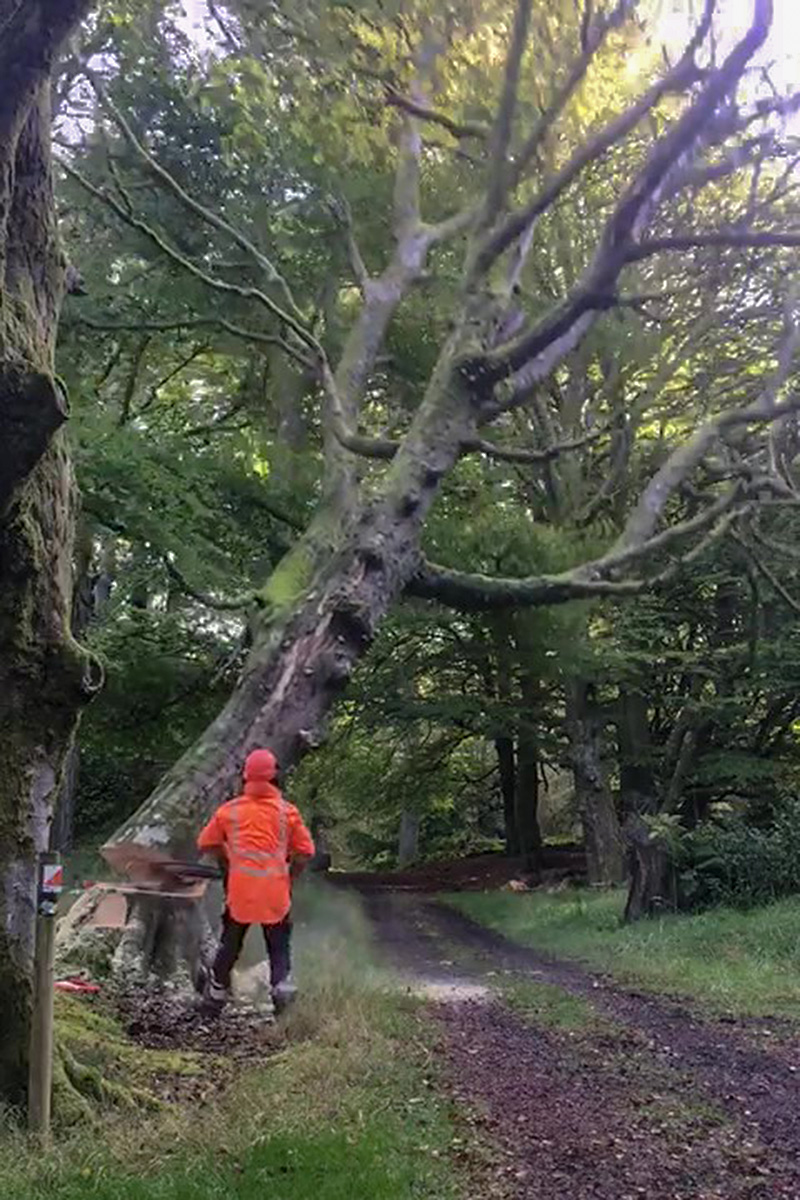
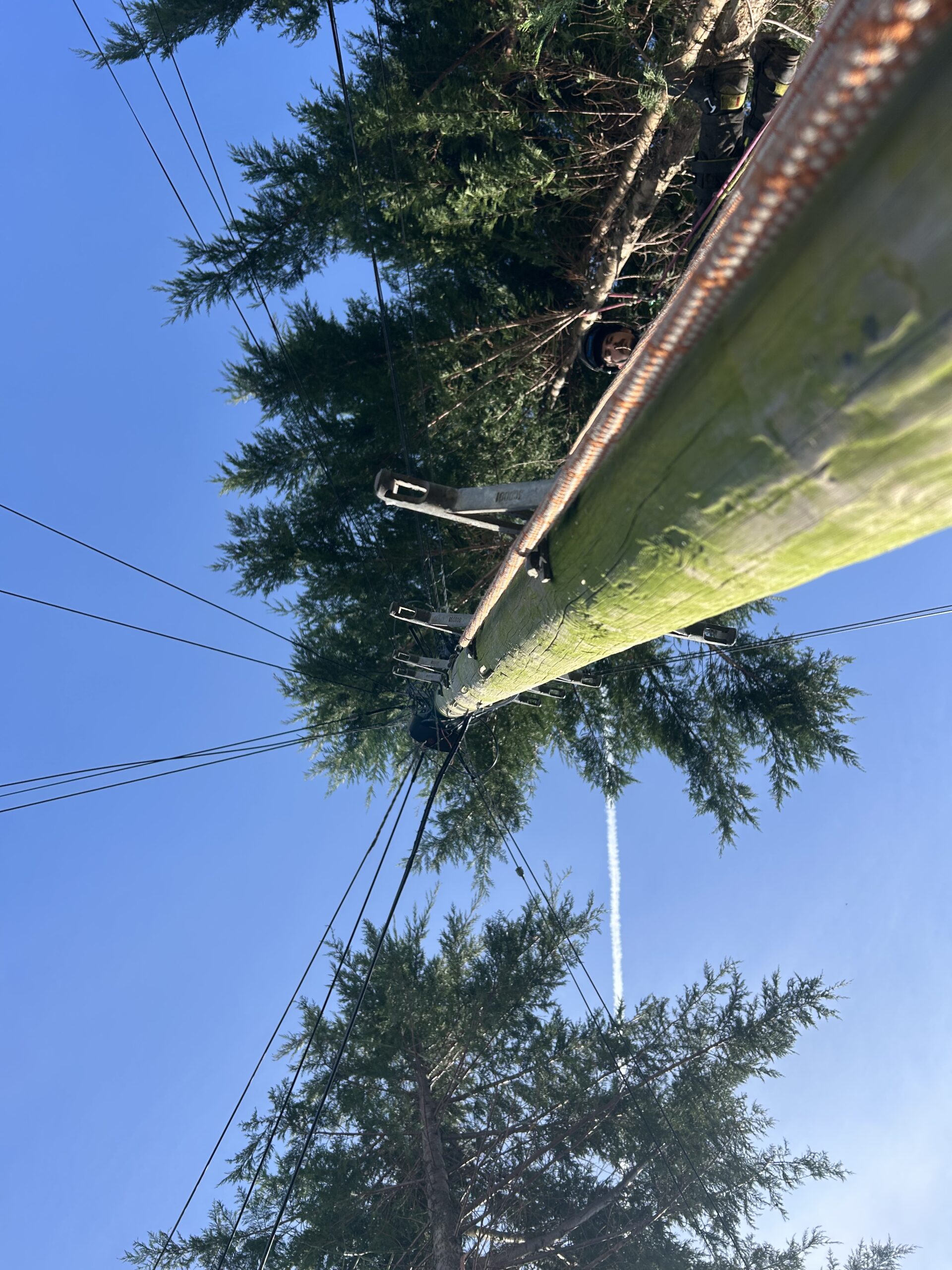
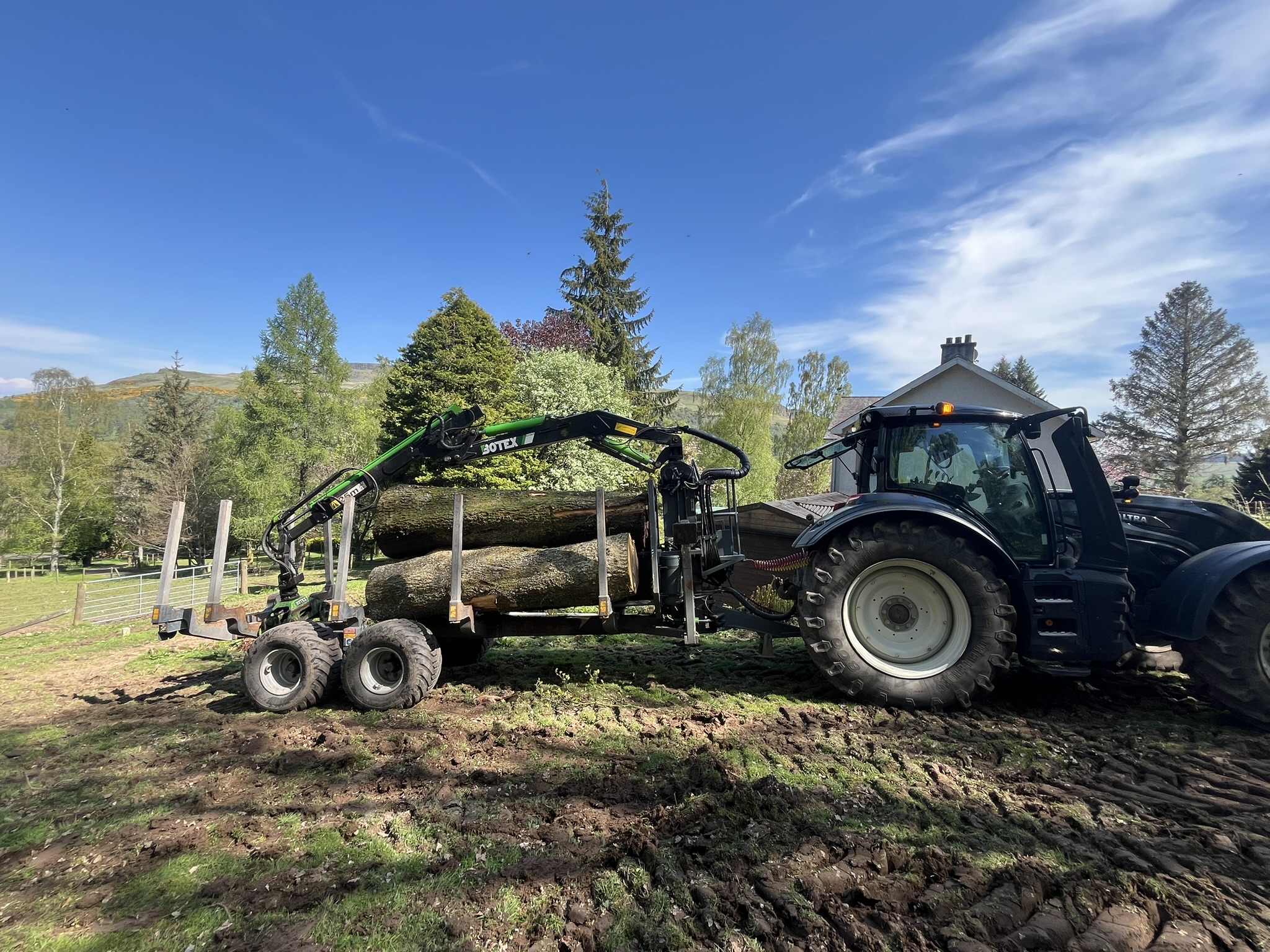
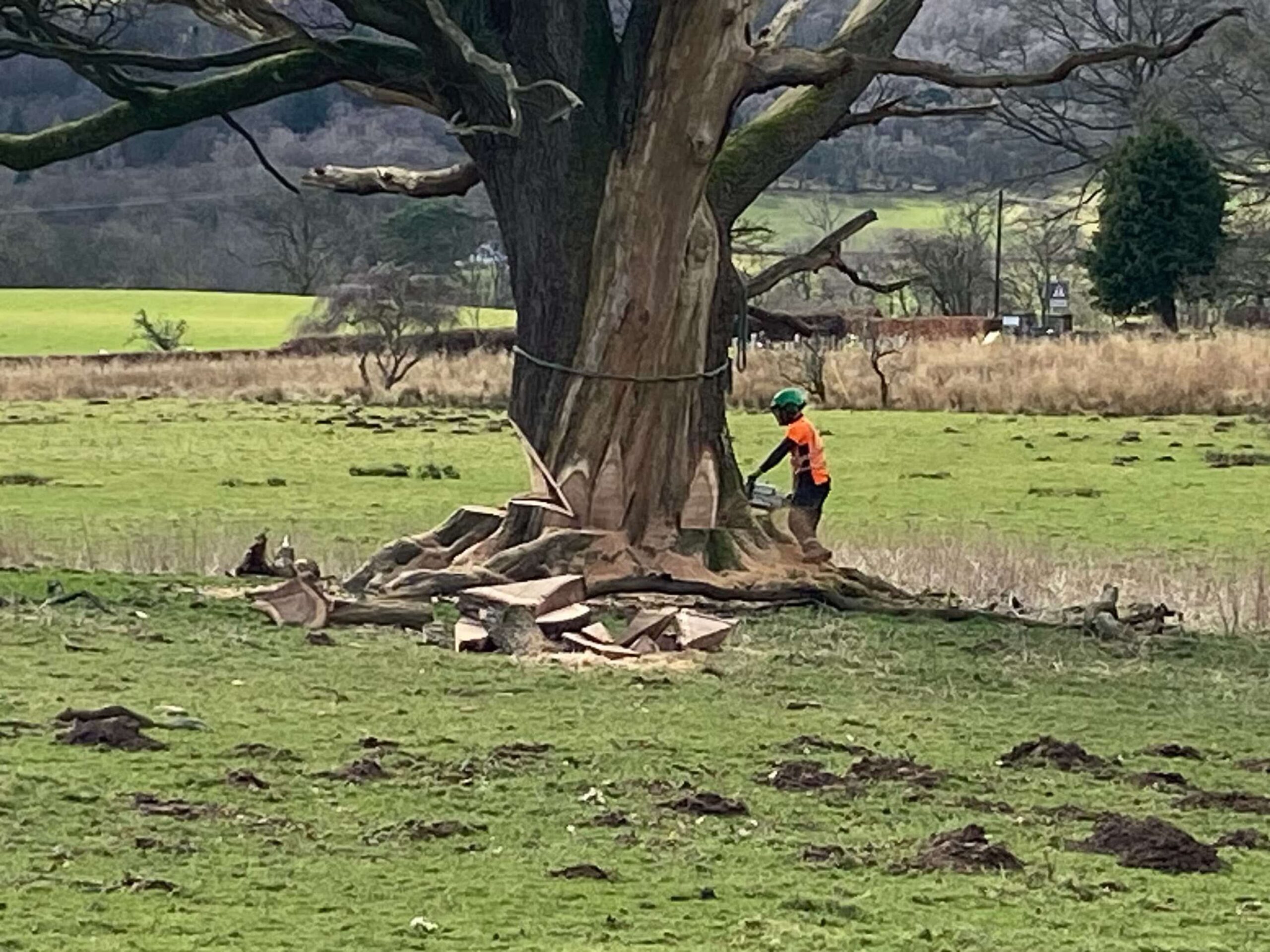
Gallery of Previous Work Done
Why Choose CNJ Tree Services?
Scotland's leading comprehensive tree and property service company.
60+ Specialist Tree Services
From basic pruning to de-vegetation and complex ecological assessments
30+ Years of Experience
Core team made up of highly experienced third-generation tree surgeons
24-hour Availability For Emergencies
Average response time under 2 hours
Up to £5M
Insurance Cover
Comprehensive cover for complete peace of mind
Professional Credentials
NPTC, Lantra, FMO and NPORS certified professionals ensuring the highest standards of safety and expertise on every project.
Environmental Expertise
Ecological surveys and compliance specialists
What Our Clients Have Said About Us
Jackie Breen
From the first time getting in touch with Callum, the service was fantastic, he came out gave us a great quote and was able to do the job very quickly. The boys that came to carry out the work were professional, friendly and worked non stop to get the job done, they were so careful with machinery on the property as well and left the garden and paths spotless before they left. I would highly recommend them.
Alan
Callum and his team arrived on the agreed day & time, carried out the tree felling with impeccable professionalism and cleared up after. The work was done at the quoted price and they were very pleasant guys with no bad language. I highly recommend CNJ and I will certainly be using Callum and his 5 star tree fellas again.
Robin Campbell
Callum and his team felled four 40-foot+ trees in our garden, facing particular challenges (2 trees hanging over our LPG tank, one menacing a precious rhododendron). They worked incredibly hard, were great to deal with and we would thoroughly recommend them.
Get Your FREE Domestic Tree Support Assessment Today
Preserve Your Valuable Garden Trees: Professional tree support systems offer sophisticated alternatives to removal, protecting property investment whilst maintaining the environmental and aesthetic benefits of mature trees. Don’t let structural weaknesses compromise trees that define your landscape character.
Ready to Preserve Your Garden Trees? Contact CNJ Tree Services today for your FREE structural assessment. Our certified specialists will evaluate your trees and provide expert recommendations tailored to your preservation goals and property requirements.
Tree emergency? We provide rapid residential response with certified specialists ready to handle storm damage and structural failures safely and professionally.
CNJ Tree Services
Address
Office 1, Technology House,
9 Newton Pl, Glasgow G3 7PR, United Kingdom
Call Now
Office Hours
Monday-Friday: 8AM-6PM
Saturday: 8AM-4PM
Sunday: Emergency only
24/7 Availability
Online Presence
Website: www.cnjtreeservices.co.uk
Rated People: Callum Jackson
Contact Us Today
Not Everything Gets Fitted Under One Cabling Price
- An on-site structural assessment of the weak union, fork or limb by an NPTC Professional Tree Inspector, including a check of the root plate and surrounding soil
- Selection of the right system for the tree – dynamic synthetic sling, static steel cable, or threaded bracing rod – based on species, growth stage and any TPO or Conservation Area restriction
- Pilot-hole drilling sized to the stem for eye-bolts or rods, kept as small as the fitting allows to limit decay entry
- Tensioning and testing the finished system before we leave site, with correct load-sharing checked between the supported limbs
- A written record of what’s been fitted and when, so a later inspection has something to measure against
- One follow-up visit within the first year to check tension and confirm the hardware has bedded in as expected
Not Included / Costed Separately
- Removing deadwood or reducing overextended limbs that aren’t part of the support system itself – this is priced and scheduled separately, even if it’s spotted during the same site visit.
- Getting Tree Preservation Order or Conservation Area consent – many of the mature garden trees we’re asked to cable in Pollokshields and the West End already carry a TPO, and the application to Glasgow City, East Dunbartonshire or East Renfrewshire council has to be lodged and cleared before any cable or brace goes in.
- A full BS5837 survey report – the structural assessment done for a cabling job is a practical, on-the-tree inspection, not the desk-based planning-grade report needed for a building project, even though both use the same NPTC Professional Tree Inspector qualification.
- Cherry-picker access – most domestic cabling is done by climbing, but where a tree genuinely can’t be climbed safely we bring in our own tracked spider lift, and that’s only added to the price where the site needs it.
- Ongoing annual re-inspection beyond the first follow-up visit – systems need their tension and hardware checked periodically for the life of the installation, and that’s offered as a separate scheduled service rather than bundled into the initial job.
- Replacing a system once it reaches the end of its working life – around 10-15 years for a dynamic sling, longer for steel – this is treated as a new job, priced on the tree’s condition at the time.
How Does a Cabling Job Actually Come Together
- Call and initial description: You tell us what’s worrying you – a split that’s started to open, a limb that’s dropped further since the last storm, or a fork that’s always looked tight. A phone photo of the union from a couple of angles usually tells us enough to give a rough steer before anyone visits.
- On-site structural assessment: Callum or another NPTC-qualified assessor examines the union close up, checks how the crown moves in wind, and looks at the root plate and soil – clay ground around the Clyde and Kelvin valleys holds water unevenly, and that’s often behind the lean or split we’ve been called out to fix. This visit decides between a dynamic sling, static steel, or a bracing rod.
- Consent check and scheduling: If the tree carries a Tree Preservation Order or sits in a Conservation Area, the application goes to the relevant council before any hardware is ordered – this is the one part of the job with a waiting period outside our control, so it gets started early.
- Fitting the system: Most domestic cabling is done from a climbing position; where the union’s too high or the ground’s too soft for ladders, we bring our own tracked spider lift rather than waiting on hired access. Static cables and bracing rods involve pilot-hole drilling sized to the stem, not oversized to make the job quicker.
- Tension, test and sign-off: Once fitted, the system is tensioned and checked for correct load-sharing between the supported limbs, and we walk you through what’s been installed and why before we leave site.
- Follow-up visit: We come back within the first year to check the sling or cable hasn’t slipped and the tree is growing around the fitting as expected – re-inspection after that is offered as a separate scheduled visit.
Rough Prices for Slings, Steel Cables and Rods
Dynamic synthetic sling cabling typically runs £200-£700 per union, static steel cabling £300-£800, and bracing rods £250-£700 – rods are usually fitted alongside a cable rather than charged as a stand-alone job, so a split trunk needing both often lands nearer the top of both ranges. What moves the price within each band is height and access (a climb versus needing our own spider lift), how many unions in the same tree need supporting, and whether TPO or Conservation Area consent has to be sought first, which can add time to the schedule even where it doesn’t add much to the fitting cost. None of this replaces an on-site look – a phone estimate can only go on what’s been described or photographed, and the final figure is confirmed once the union’s been examined in person.
Choosing Between a Sling, a Cable and a Rod
The Judgement Call Behind Every System We Fit
Fitting a cable is the easy part – the harder call is knowing whether a weak union needs a flexible sling that lets the tree keep moving, a rigid steel cable, or a rod through the trunk, and whether the root plate underneath can carry the tree once that decision’s made. Callum Jackson’s NPTC Professional Tree Inspector qualification is built for exactly that reading of a union – working out how it’s likely to fail before it does, rather than fitting whatever system happens to be quickest. Because we own our tracked spider lift outright, a union too high or too awkward to climb safely doesn’t push the job onto a waiting list for hired-in access – it just changes which day we’re on site.
The Trees and Neighbourhoods Behind Our Cabling Call-Outs
Cabling and bracing call-outs cluster less by postcode than by garden age and species. A good share of the trees we’re asked to support are lime, sycamore and beech carrying a co-dominant fork that’s been part of the tree’s shape since it was young, long before anyone thought to correct it – cabling doesn’t undo that history, it just buys the union time. In inner neighbourhoods such as Dowanhill, Hyndland, Kelvinside and Hillhead, and across Pollokshields, tenement back courts and narrow Victorian side gardens mean a climbing rig usually reaches the union without machinery going onto ground that was never built for it – most of this work is fitted from a harness rather than a lift, which is part of why access height rarely holds a cabling job up the way it can with felling or a full dismantle. Along the Forth & Clyde Canal corridor through Maryhill and Kelvinside, the mature trees lining the towpath are frequently exactly this kind of case – multiple stems competing for the same light near a footpath or boundary, a common origin for the tight, included-bark unions we’re called out to support. Southeast of the river, in the older streets of Rutherglen, Cambuslang and Blantyre, large garden sycamores are reaching the point where a co-dominant stem that looked fine when the tree was young needs a proper structural decision now rather than being left as it is. On exposed sites toward the southern edge of the Campsies or the higher ground near the Kilpatrick Hills, the same kind of union takes a harder gust than its equivalent in a sheltered inner-city garden, and that difference is often what tips the choice toward a dynamic sling – letting the crown keep moving – over a static cable that would otherwise be the default for a union of that size. Garden size changes the access question again further out: around Bearsden, Milngavie and Kirkintilloch, and across Giffnock, Newton Mearns and Clarkston, plots tend to be larger and more open, so a spider lift can usually get within reach of the union without crossing a neighbour’s boundary if a harness genuinely can’t do the job – though a harness still handles the great majority of these gardens too. Around Clydebank, Renfrew and Paisley, gardens more often back onto shared lanes or narrow rear access rather than open lawn, and there the deciding factor is frequently whether our own lift can get down that lane at all, not whether the union itself needs one. We take on this work within a 10-mile radius of our Newton Place base, and it’s this access picture – harness first, our own tracked spider lift only where the ground or the union genuinely demands it – that decides how a job runs, more than which side of the city it falls on.
Get a Union Looked at Before the Next Storm
A split union doesn’t heal on its own, and it typically opens a little further with each storm or heavy snow load rather than staying the same – the earlier a cable or brace goes in, the more of the tree’s own structure it has left to work with. Send us a photo of the fork or limb that’s worrying you and we’ll give you a steer on whether it’s a cabling job, then book a site visit from there. If deadwood, crown reduction or anything else on the same tree needs sorting at the same time, our site covers the rest of what we do.