
Commercial Dangerous Tree Removal Glasgow | CNJ Tree Services
Once a tree on a commercial site is genuinely dangerous, the legal position is straightforward: whoever occupies or manages that ground carries a duty of care to everyone who might reasonably be on it – staff, delivery drivers, contractors, customers and passers-by – and ’we didn’t realise how bad it was’ stops being a defence the moment a hazard has actually been reported. That’s the starting point for every commercial callout CNJ Tree Services takes on around Glasgow: not just getting the tree down, but producing a record that shows the risk was properly assessed and dealt with promptly, in a form a facilities manager, a principal contractor’s site file or an insurer can rely on afterwards.
The mechanics of the removal matter too. CNJ’s own mechanised fleet – cherry picker, 360 excavator, timber crane – means most compromised trees can be dismantled without anyone needing to go up a trunk that’s already given way. But on a business site, the paperwork side is often what the job actually turns on: whether the tree carries a Tree Preservation Order, whether the premises sits in a Conservation Area, and whether the eventual write-up would hold up if an HSE inspector or a loss adjuster asked to see it. Our wider tree services cover the planning-stage BS5837 survey and the stump grinding that follows a removal as separate bookings, so the emergency price stays focused on the hazard itself rather than bundling in work that can wait.
At a Glance
- NPTC-qualified risk assessment on every dangerous tree callout
- Full plant fleet owned outright – no waiting on hired-in machinery
- £5 million public liability cover as standard
City Areas: Merchant City, West End, South Side, East End, North Glasgow
Surrounding Areas: Paisley, East Kilbride, Hamilton, Motherwell, Coatbridge, Airdrie Extended
Coverage: Stirling, Falkirk, and throughout West and Central Scotland
Strategic location between Glasgow and Stirling enables rapid response with average emergency time under 2 hours.
Commercial Dangerous Tree Removal Glasgow
Professional Tree Safety Services for Business Properties
Emergency Tree Removal
24/7 Response
Free Tree Quote
Professional assessment within 48 hours
Complete Tree Services
General and Specialist Services Available
Storm Damage Response
Immediate Callout
Why Glasgow Businesses Choose CNJ Tree Services for Commercial Dangerous Tree Removal
CNJ Tree Services delivers expert commercial dangerous tree removal across Glasgow and Central Scotland with NPTC/Lantra certified risk assessment specialists, emergency response under 2 hours, and up to £5 million insurance protection. Since 2019, we’ve eliminated dangerous tree threats for Glasgow businesses from city centre offices, industrial retail parks and factored housing. We provide third-generation expertise with environmental compliance specialists who prevent legal complications.
When your Glasgow business faces dangerous tree situations, delayed action creates catastrophic liability risks. Dangerous trees kill employees, injure customers, and destroy property with legal consequences exceeding £500,000 in compensation claims plus unlimited prosecution liability.
Call 0141-340-9722 immediately for emergency dangerous tree assessment.
Professional Commercial Dangerous Tree Services Across Glasgow
Why Choose Our Tree Service
Our emergency assessment teams carry professional equipment for immediate site safety evaluation, photographic documentation for insurance claims, and regulatory compliance checking preventing prosecution liability.
Average emergency response time: Under 2 hours across Glasgow area with immediate safety recommendations.
24/7 Emergency Dangerous Tree Removal
Business operations cannot wait for normal hours when dangerous trees threaten employee safety and customer access. Our emergency teams respond immediately to eliminate threats before accidents occur.
Emergency removal situations:
- Storm-damaged trees threatening building collapse
- Hanging branches over car parks and pedestrian areas
- Structurally compromised trees identified during inspections
- Root failure causing immediate lean and stability loss
- Disease-weakened trees creating falling branch hazards
Emergency equipment includes mobile cranes for immediate removal, sectional dismantling gear for confined spaces, and comprehensive safety isolation protecting business operations.
Call 0141-340-9722 for comprehensive commercial tree risk assessment programmes.
Emergency Dangerous Tree Assessment & Risk Analysis
Glasgow’s commercial properties require immediate professional assessment when dangerous tree conditions develop. Our TRAQ (Tree Risk Assessment Qualified) certified arborists identify imminent threats before catastrophic failure occurs.
At CNJ Tree Services, we specialise in urgent commercial tree work – including hazardous removals and site clearance – with a strong focus on professional tree surgery services in Glasgowfor business properties and public safety. Our experienced team provides rapid assessment, safe execution, and complete continuity of operations.
Dangerous tree warning signs:
✅ Dead or dying branches overhanging business premises
✅ Trunk cracks or splits indicating structural failure
✅ Root decay causing tree instability and lean development
✅ Fungal growth indicating internal rotting and weakness
✅ Storm damage creating hanging limbs threatening safety
Commercial vs Domestic Dangerous Tree Removal: Why the Difference Matters
Commercial dangerous tree removal demands expertise beyond domestic services. Understanding these differences protects your business from fatal accidents and catastrophic liability claims.
Risk Assessment and Legal Liability: Commercial properties face unlimited liability for employee and public safety with prosecution risk under Corporate Manslaughter legislation. Dangerous tree failures causing death result in unlimited fines plus director imprisonment up to 25 years.
Emergency Response Requirements: Commercial dangerous tree situations demand immediate professional response with safety isolation protocols. Domestic contractors lack emergency equipment for 24/7 response or business continuity planning.
Insurance and Professional Standards: Commercial dangerous tree work requires minimum £5 million insurance with professional indemnity coverage. Tree Risk Assessment Qualified (TRAQ) certification mandatory for legal compliance.
Environmental Compliance Complexity: Commercial properties must satisfy emergency Tree Preservation Order procedures and Conservation Area notifications whilst protecting human life. Regulatory failures compound legal liability during emergency situations.
CNJ Tree Services specialises in commercial dangerous tree complexity whilst offering completetree services Glasgow for all business safety requirements. Our environmental compliance specialists prevent regulatory complications during emergency interventions.
Our Professional Commercial Dangerous Tree Removal Process
Immediate Safety Assessment & Site Isolation
Every dangerous tree call begins with immediate safety assessment identifying threat level and required protective measures. Our risk assessment specialists implement safety isolation protecting employees and customers.
Emergency assessment protocol:
- Immediate threat evaluation using professional risk assessment tools
- Site safety isolation with restricted access implementation
- Photographic documentation for insurance and legal purposes
- Structural analysis determining removal methodology requirements
- Environmental compliance checking for protected tree procedures
Professional assessment prevents accidents during removal whilst optimising safety outcomes for business operations.
Emergency Regulatory Compliance & Documentation
Dangerous tree emergencies require immediate regulatory compliance balancing human safety with environmental protection. Our environmental specialists handle emergency procedures preventing legal complications.
Commercial Dangerous Tree Removal Costs in Glasgow (Emergency Pricing)
What Affects Emergency Dangerous Tree Removal Pricing
Emergency dangerous tree removal pricing reflects threat level, access complexity, and time sensitivity requirements. Understanding emergency cost factors enables accurate budget planning for safety situations.
Emergency pricing factors:
- Threat level assessment: Immediate threats £800-£5,000per tree depending on complexity
- Out-of-hours response: Emergency call-out fee of £150 plus standard rates for works
- Access restrictions: Crane or specialist equipment adding £500-1,500 to standard pricing
- Site complexity: Multiple tree threats or confined spaces increasing project scope
- Insurance documentation: Complete claims support included in emergency pricing
Emergency dangerous tree removal typically costs:
- Single tree emergencies: £600-2,000 depending on size and threat level
- Multiple tree situations: £1,500-5,000+ for comprehensive emergency clearance
- Large-scale incidents: £3,000-15,000+ for storm damage or widespread threats
Emergency dangerous tree removal represents insurance protection costing fraction of potential liability exposure.
For immediate emergency pricing, call 0141-340-9722 for instant assessment.
Environmental Compliance During Commercial Dangerous Tree Removal
CNJ Tree Services emergency compliance expertise:
✅ Emergency TPO procedures and retrospective notifications
✅ Conservation Area emergency work compliance
✅ Corporate Manslaughter liability protection through professional documentation
✅ Health & Safety Executive notification and compliance
✅ Complete legal protection during emergency interventions
Environmental expertise prevents prosecution whilst protecting human life during dangerous tree emergencies.
Glasgow Coverage Areas
City Areas: Merchant City, West End, South Side, East End, North Glasgow
Surrounding Areas: Paisley, East Kilbride, Hamilton, Motherwell, Coatbridge, Airdrie
Extended Coverage: Stirling, Falkirk, and throughout West and Central Scotland
Strategic location between Glasgow and Stirling enables rapid response with average emergency time under 2 hours.
Frequently Asked Questions
What makes a tree dangerous on commercial property?
A tree becomes dangerous when structural defects create imminent risk of failure threatening people or property. Key warning signs include dead or dying branches overhanging business areas, trunk cracks indicating structural weakness, visible root decay causing instability, excessive lean development, fungal growth showing internal rot, and storm damage creating hanging limbs. Commercial properties face higher liability because employee safety and public access increase accident potential. Trees near buildings, car parks, walkways, or utility lines pose greater commercial risks than residential situations. Contact 0141-340-9722 for immediate commercial dangerous tree assessment.
How quickly can you respond to dangerous tree emergencies in Glasgow?
CNJ Tree Services provides emergency dangerous tree response across Glasgow with average arrival time under 2 hours for life-threatening situations. Our emergency teams operate 24/7 including weekends, bank holidays, and severe weather periods when dangerous tree incidents peak. Response time varies by location and weather conditions, with Glasgow city centre typically receiving fastest response whilst outlying areas may require additional travel time.
Do I need permission to remove dangerous trees on commercial property?
Dangerous trees threatening immediate safety can be removed under emergency procedures without prior consent, but notification requirements still apply. Tree Preservation Orders allow emergency removal protecting human life with local authority notification required within 5 working days. Conservation Area procedures permit immediate safety work with retrospective notification to Glasgow City Council. However, emergency claims must be substantiated through professional risk assessment documenting imminent threat level. False emergency claims face prosecution and unlimited fines for unauthorised tree removal. Our environmental specialists handle all emergency regulatory compliance preventing legal complications during safety interventions.
Can you remove trees during storms or How do you assess if a tree is dangerous on business premises?
Professional dangerous tree assessment follows standardised TRAQ (Tree Risk Assessment Qualified) methodology evaluating tree condition, site factors, and potential targets. Our certified assessors examine root systems for decay indicators including fungal growth, soil heaving, or exposed roots. Trunk inspection identifies structural defects including cracks, cavities, lean development, or bark abnormalities indicating internal problems. Branch assessment evaluates dead wood, weak attachment points, excessive weight distribution, or storm damage creating failure risks.
Can dangerous tree removal be claimed on business insurance?
Business insurance typically covers dangerous tree removal when trees threaten immediate property damage or safety hazards, but coverage varies significantly between policies. Most commercial policies include emergency tree removal up to specified limits (typically £5,000-£25,000) when trees damage buildings, vehicles, or infrastructure. Storm damage tree removal usually receives full coverage whilst routine maintenance or preventive removal may be excluded. Professional risk assessment documentation strengthens insurance claims by demonstrating imminent threat justification. Photographic evidence, TRAQ certification, and written risk analysis support claim validity and reduce rejection risk. Some policies require pre-approval for expensive removals whilst emergency situations typically receive retrospective approval. Dangerous trees threatening third parties may be covered under public liability sections rather than property protection. Business interruption insurance may cover operational losses during emergency tree removal affecting premises access.
What happens if I ignore a dangerous tree on my commercial property?
Ignoring dangerous trees on commercial property creates catastrophic legal and financial liability including unlimited prosecution under Corporate Manslaughter legislation. Fatal accidents result in director imprisonment up to 25 years plus unlimited fines for gross negligence causing workplace deaths. Serious injury compensation ranges £50,000-£500,000+ per victim with legal costs exceeding £100,000 defending negligence claims. Health & Safety Executive prosecution carries unlimited fines plus improvement notices halting business operations until compliance is achieved. Insurance companies may refuse claims for accidents involving known dangerous trees, leaving businesses liable for full compensation costs. Professional negligence claims from employees or visitors can bankrupt businesses through unlimited liability exposure. Trading licence revocation possible for businesses creating public safety hazards through dangerous tree negligence. Property values decrease significantly when dangerous trees create liability risks affecting sales or rental income. Emergency removal costs typically triple when dangerous trees fail causing property damage requiring immediate response. Professional dangerous tree management eliminates liability exposure whilst protecting business reputation and operational continuity. Contact 0141-340-9722 immediately for dangerous tree liability elimination and safety compliance.
Choose CNJ Tree Services for Professional Commercial Dangerous Tree Removal in Glasgow
Glasgow’s commercial dangerous tree emergencies demand immediate professional response from specialists who understand liability risks, safety protocols, and emergency regulatory compliance.
CNJ Tree Services delivers Glasgow’s fastest emergency dangerous tree response with TRAQ certified risk assessment specialists, mobile emergency equipment, and comprehensive legal protection. Our 30+ years combined expertise, strategic location between Glasgow and Stirling, and 24/7 availability provide results that eliminate threats whilst protecting business operations and legal compliance.
Contact CNJ Tree Services Today:
📞 Phone: 0141-340-9722
📧 Email: [email protected]
🌐 Website: www.cnjtreeservices.co.uk
Don’t risk employee lives or business survival with dangerous tree neglect. Call 0141-340-9722 immediately for professional dangerous tree elimination protecting human safety, legal compliance, and business continuity.
Emergency consultation available 24/7 – Contact us now for immediate dangerous tree response.
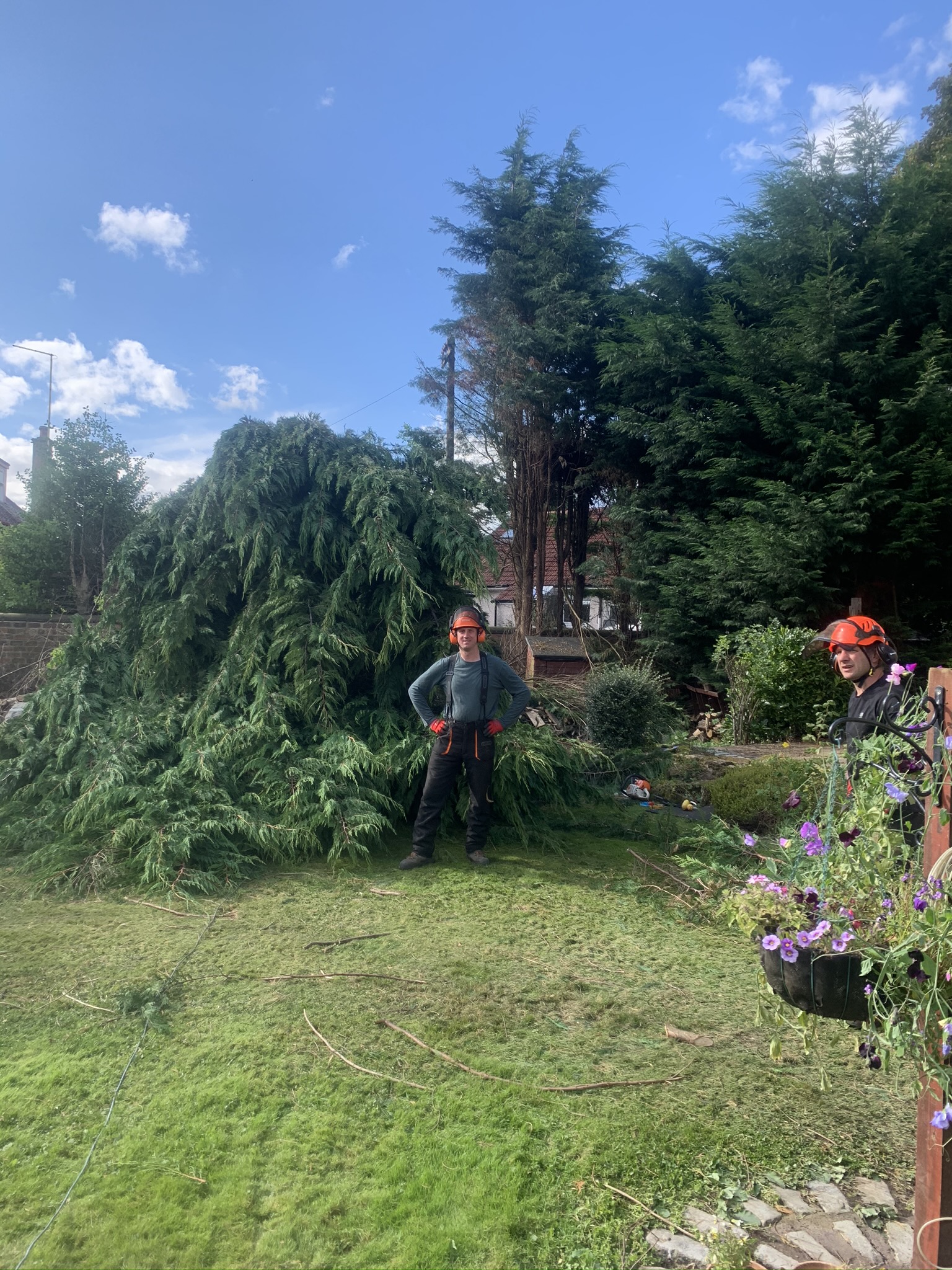
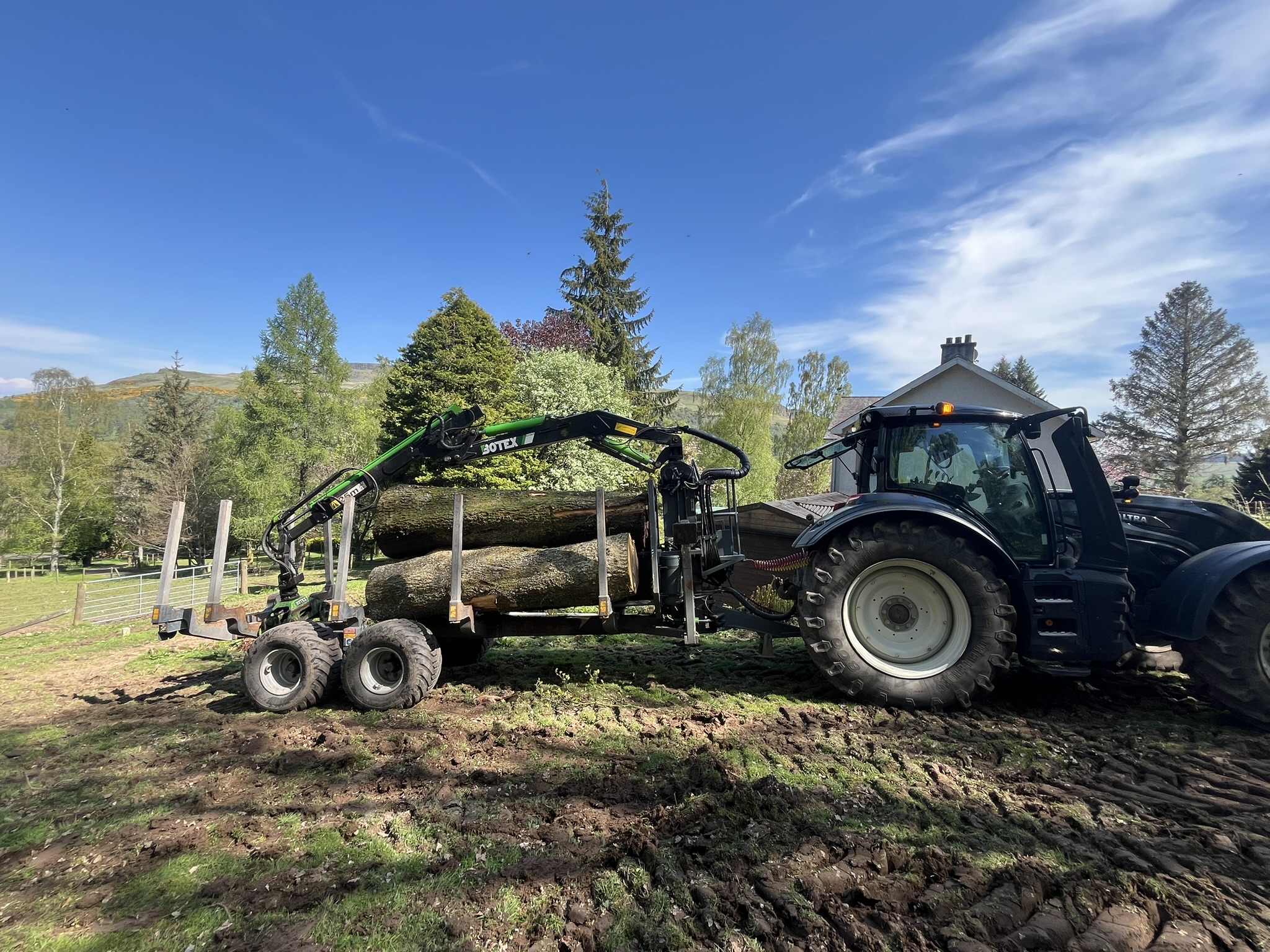
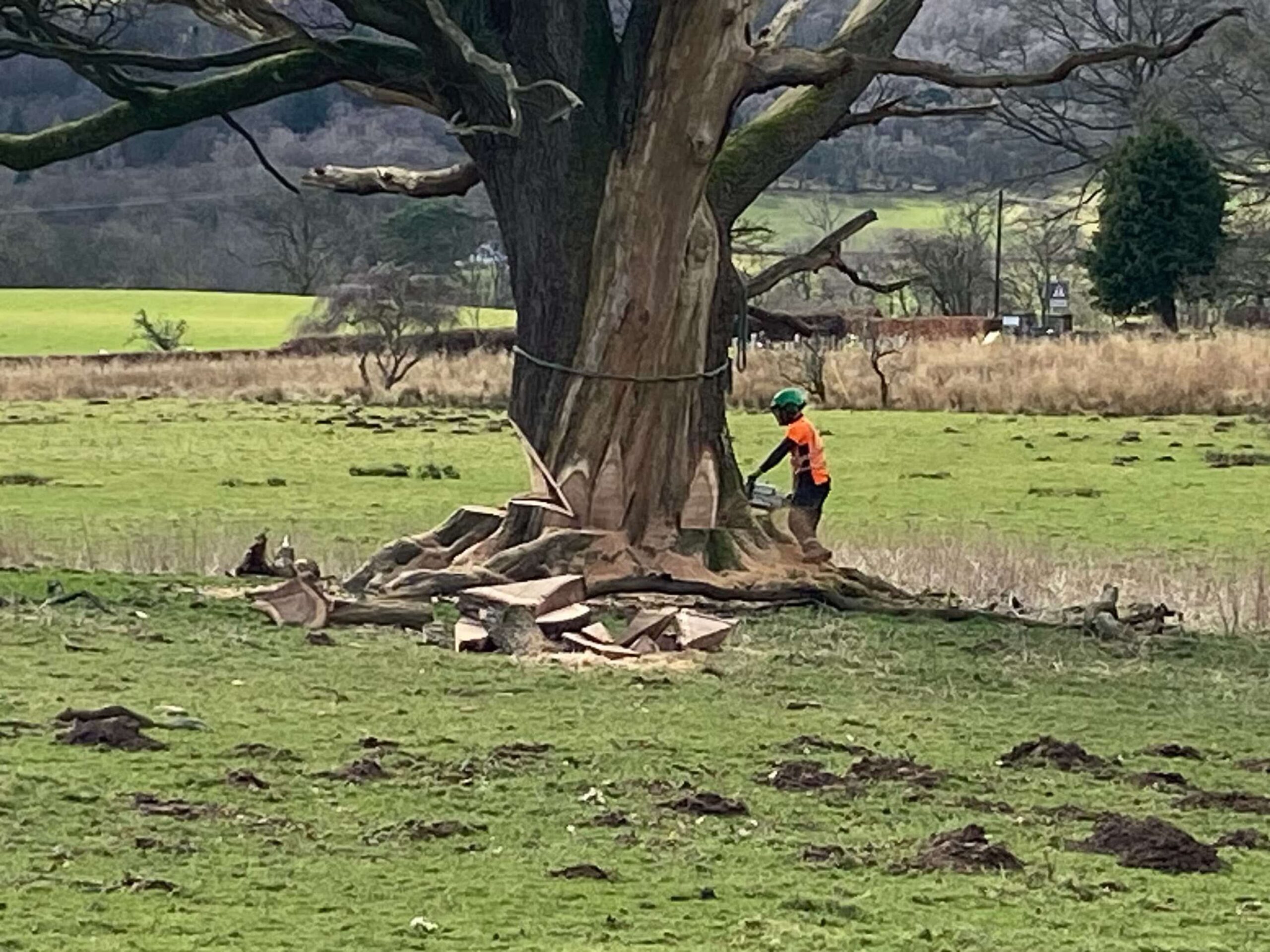
Gallery of Previous Work Done
Why Choose CNJ Tree Services?
Scotland's leading comprehensive tree and property service company.
60+ Specialist Tree Services
From basic pruning to de-vegetation and complex ecological assessments
30+ Years of Experience
Core team made up of highly experienced third-generation tree surgeons
24-hour Availability For Emergencies
Average response time under 2 hours
Up to £5M
Insurance Cover
Comprehensive cover for complete peace of mind
Professional Credentials
NPTC, Lantra, FMO and NPORS certified professionals ensuring the highest standards of safety and expertise on every project.
Environmental Expertise
Ecological surveys and compliance specialists
Our Service Areas
We Cover All of Glasgow and West Scotland
Primary Coverage
- Balfron
- East Dunbartonshire
- Glasgow City
- Killearn
- Renfrewshire
- South Lanarkshire (selected areas)
- Stirling
- Strathblane
- West Dunbartonshire
Key Locations
• Balfron • Bearsden • Bothwell • Clarkston • Clydebank • East Kilbride • Fintry • Giffnock • Hamilton • Killearn • Kippen • Kirkintilloch • Milngavie • Newton Mearns • Paisley • Strathblane • Stirling
Emergency Response
50-mile radius
Commercial Projects
We undertake commercial projects across Scotland.
Contact Us Today
Not Just a Removal: What a Commercial Callout Has to Prove
- A written risk assessment carried out on site and referenced against BS3998 and BS5837, rather than a verbal opinion given over the phone – so there’s a record a facilities manager, insurer or HSE inspector can actually rely on afterwards
- Checking Tree Preservation Order and Conservation Area status and handling notification to the relevant council as part of the same visit, not as a separate task once the tree is already down
- Isolating the hazard immediately – car parks, delivery bays, footpaths, fire exits or a section of shared yard cordoned off for as long as the work needs
- Felling or sectional dismantling by whichever method the site and access actually allow – mechanised removal using our IPAF and NPORS-certified cherry picker or 360 excavator operators where ground permits, or climbing and rigging where it doesn’t
- Making safe any hung-up branches or partially failed limbs straight away, even where the full removal has to be scheduled as a follow-up visit
- Removing all resulting timber and brash from site the same day, rather than leaving it stacked on your premises
- A basic clear of hard standing and paths disturbed by the work
Not Included / Costed Separately
- Stump grinding – quoted separately once the tree is down, since it needs different machinery
- Replanting or landscaping the cleared area afterwards
- Repairing damage the tree has already caused to a roof, fence, wall or vehicle – that sits with your own contractor or insurer, though we provide the documentation a claim needs
- A full BS5837 tree survey for planning purposes – a separate service for sites where development is planned near retained trees, not a standard part of an emergency removal
- Out-of-hours callouts are charged at the emergency rate rather than the standard daytime price
Compliance Before the Chainsaw: How a Commercial Callout Runs
- Initial call: You describe the hazard – a leaning trunk, a split limb, storm damage – over the phone. You get immediate advice on keeping people clear of the danger area, and an early read on what paperwork you’ll likely need afterwards, whether that’s for an insurer, an HSE query or a principal contractor’s site file.
- Preliminary compliance check: Before an assessor is even on the road, we check whatever’s on record for Tree Preservation Order or Conservation Area status at that address, so notifying the right council happens alongside the visit rather than as an afterthought once the tree is already down.
- Site assessment: An assessor examines the tree in person – trunk, root plate and crown – and works out what’s actually wrong with it and how urgent the work is, rather than working from a phone description alone.
- Isolation: The danger area is cordoned off – car park bays, a delivery route, a footpath or fire exit – so the site can keep operating around the work wherever that’s genuinely possible.
- Removal: The tree comes down by whichever method the site allows – a cherry picker or excavator on firm, open ground for speed and to keep the crew off a trunk that’s already structurally compromised, or climbing and rigging where access is tight.
- Clearance, documentation and sign-off: Timber and brash are taken off site the same day rather than left for you to deal with, and you’re handed a written record of what was found and what was done – the kind of paper trail an insurance claim, an HSE query or a principal contractor’s audit will actually ask to see.
What Moves the Price on a Commercial Callout
Every dangerous tree job is different, so a firm figure only comes from an assessor seeing the tree in person – trunk condition, root plate movement, what’s underneath the crown and how the site can be accessed all change both the method used and the price. A single leaning tree that a climber can rig and lower in a tight yard is a different job from a large, split-crown tree over a car park that needs a cherry picker or excavator brought onto site. Daytime callouts during business hours are priced differently from genuine emergencies called outside normal hours, which are charged at the emergency rate mentioned above. Removal and disposal of the timber and brash is included in the callout price; stump grinding, replanting and repairs to anything the tree has already damaged are quoted separately once the immediate hazard is dealt with. Where a site needs the written risk assessment formatted for a specific insurer or a principal contractor’s own paperwork, that’s built into the same visit rather than charged as an extra. The only way to get a number you can rely on is a site visit, which is what we arrange as the next step after your initial call.
Commercial vs Domestic Callouts, Side by Side
| Commercial / business site | Domestic property | |
|---|---|---|
| Who the duty of care covers | Employees, customers, contractors and passers-by | Household members and neighbours |
| Typical access | Car parks, loading bays, shared service yards, sometimes live public pavement | Garden, driveway, occasionally a shared access lane |
| Preferred removal method | Mechanised access where ground allows, to keep the job fast and keep a climber off a tree that’s already failing | Climbing and rigging is often the practical choice for a single garden tree |
| Paperwork usually wanted | Written risk assessment and photographs, useful for insurers or an HSE query | A verbal explanation and photos are usually enough |
| Timing | Has to work around opening hours, deliveries or footfall | Set around the household’s own schedule |
More Than an Owned Fleet: The Team and the Record Behind It
A commercial site rarely has just one person who needs the assessment to hold up – a facilities manager wants it for the site file, an insurer wants it before settling a claim, and an HSE inspector wants it if anyone ever asks why a known hazard wasn’t dealt with sooner. That’s why a commercial risk assessment is written up the same way whoever ends up reading it: referenced against BS3998 and BS5837, backed by photographs, and led where it’s genuinely unclear how urgent a tree is by founder Callum Jackson, an NPTC Professional Tree Inspector qualified since 2023 to produce planning-grade surveys and risk findings, not a general opinion on how a tree looks from the ground.
The response itself doesn’t wait on one specialist being free, either. Team lead Ron Bowes-Taylor is IPAF-certified for cherry-picker operation and has run advanced rigging and dismantling work for over 15 years; Neill Tannahill operates the 360 excavator and keeps the whole fleet mechanically sound as chief fleet engineer; Ryan Spark, a former outdoor instructor with wilderness and swift-water rescue training, takes on large-diameter felling over 380mm when a storm callout calls for it. Between IPAF, NPORS and FMO licensing spread across that team, a business site gets whichever qualified operator the job actually needs rather than whoever happens to be free that day. Every visit carries £5 million public liability cover as standard, and the crew’s First Aid +F training – covering catastrophic bleed and chainsaw-specific emergency response – is there because commercial dangerous tree work carries the same elevated risk as any other, whoever ends up footing the invoice.
How Far the Fleet Travels When a Site Can’t Wait
The 10-mile line that shapes a routine domestic callout doesn’t apply once the job turns commercial: dispatched from Technology House on Newton Place, in the Sandyford/Charing Cross part of the city, the fleet runs out to business parks, industrial estates and distribution sites wherever the hazard justifies the trip. Reaching a loading bay in Clydebank or a distribution shed off the Southside corridor is usually a road-network question rather than a mileage one – a site east of the Clyde is generally quickest to reach via the M8, while ground west of the river often comes in faster over the Erskine Bridge, and which route actually gets a cherry picker or excavator there first shifts case by case rather than following one fixed set of arteries.
Commercial callouts carry a planning dimension often enough that it’s built into the process rather than treated as an afterthought – a business premises inside a Conservation Area, or a site with a live development application for a car park extension or new unit, still needs a failing tree down safely, but the paperwork has to survive scrutiny alongside the removal. We deal with Glasgow City, East Dunbartonshire and East Renfrewshire councils on Tree Preservation Order and Conservation Area matters regularly enough that notifying the right one is routine rather than guesswork. Beyond emergency callouts, our wider tree services – site clearance, utility pruning, estate management – run across the whole of Scotland rather than staying inside any fixed radius, since a facilities contract covering several sites rarely fits inside a 10-mile line.
Don't Wait on a Tree That's Already Failing
A cracked limb or leaning trunk doesn't get safer while it waits for a gap in someone's diary, and neither does the paper trail your insurer or an HSE inspector might eventually ask to see. Call now for an on-site risk assessment - if the tree can come down safely today, our mechanised fleet is already available rather than sitting in a hire yard somewhere else. The rest of what CNJ Tree Services covers, on site and off, is at www.cnjtreeservices.co.uk.
What Our Clients Have Said About Us
Jackie Breen
From the first time getting in touch with Callum, the service was fantastic, he came out gave us a great quote and was able to do the job very quickly. The boys that came to carry out the work were professional, friendly and worked non stop to get the job done, they were so careful with machinery on the property as well and left the garden and paths spotless before they left. I would highly recommend them.
Alan
Callum and his team arrived on the agreed day & time, carried out the tree felling with impeccable professionalism and cleared up after. The work was done at the quoted price and they were very pleasant guys with no bad language. I highly recommend CNJ and I will certainly be using Callum and his 5 star tree fellas again.
Robin Campbell
Callum and his team felled four 40-foot+ trees in our garden, facing particular challenges (2 trees hanging over our LPG tank, one menacing a precious rhododendron). They worked incredibly hard, were great to deal with and we would thoroughly recommend them.