
Commercial Ecological Impact Assessment Glasgow
Expert Environmental Evaluation for Glasgow Properties
A commercial ecological impact assessment is usually requested by a planning authority once a proposed development touches habitat, trees or watercourses that could support a protected species - it’s asked for alongside, not instead of, an arboricultural report where a site also has trees old enough to carry bat roost or nesting potential. We run the desk study, habitat survey and any protected species work a case officer has flagged, then write it up in the format planning departments expect to see attached to an application. Where a site needs both an ecology report and a BS5837 tree survey, our arborist services team can handle the tree side under the same instruction, so a developer isn’t running two separate consultants and two separate site visits for what is often a single planning condition.
At a Glance
- City Areas: Merchant City, West End, South Side, East End, North Glasgow
- Surrounding Areas: Paisley, East Kilbride, Hamilton, Motherwell, Coatbridge, Airdrie Extended
- Coverage: Stirling, Falkirk, and throughout West and Central Scotland
- Strategic location between Glasgow and Stirling enables rapid response with average emergency time under 2 hours
Commercial Ecological Impact Assessment Glasgow
Expert Environmental Evaluation for Glasgow Properties
Emergency Tree Removal
24/7 Response
Free Tree Quote
Professional assessment within 48 hours
Complete Tree Services
General and Specialist Services Available
Storm Damage Response
Immediate Callout
Your Glasgow commercial development faces strict environmental compliance requirements that can halt projects and trigger penalties exceeding £20,000. CNJ Tree Services delivers comprehensive commercial ecological impact assessment across Glasgow and West Scotland, combining CIEEM-certified expertise with proven environmental compliance solutions.
Environmental legislation demands professional ecological assessment before planning approval. Protected species, habitat destruction, and biodiversity impacts create devastating project delays and legal consequences. Professional ecological impact assessment eliminates these risks whilst satisfying all regulatory requirements.
Call 0141 340 9722 for your FREE Commercial Ecological Impact Assessment consultation today.
Why Glasgow Businesses Choose CNJ Tree Services for Commercial Ecological Impact Assessment
Why Choose Our Tree Service
Environmental Compliance Prevents Costly Project Delays
Glasgow’s complex environmental legislation creates multiple compliance obligations for commercial development. Our environmental specialists handle all regulatory requirements including protected species licensing, habitat regulations assessment, and biodiversity net gain calculations. Professional compliance prevents delays and legal penalties.
Integrated Tree and Environmental Services Save Time and Money
Combined arboricultural and ecological assessment eliminates multiple contractor coordination whilst reducing costs. Our qualified team delivers tree surveys, ecological assessment, and environmental mitigation through single-source capability. Project efficiency increases dramatically with integrated environmental compliance. See our Arborist Services for professional tree surveys, BS5837 planning assessments and other arboricultural support that enhances ecological impact reporting.
Glasgow’s commercial developers trust CNJ Tree Services because we deliver comprehensive ecological expertise that goes beyond basic wildlife surveys. Our environmental compliance specialists provide forensic-level ecological assessment with detailed mitigation strategies that protect your development whilst satisfying all legal requirements.
CIEEM-Certified Excellence Delivers Superior Results
Our ecological consultants follow Chartered Institute of Ecology and Environmental Management guidelines for professional ecological impact assessment. Advanced survey techniques including protected species assessment, habitat evaluation, and biodiversity impact analysis provide definitive baseline data. You receive robust reports that satisfy planning authorities and environmental regulators.
Understanding how environmental legislation shapes the ecological assessment process is essential before commissioning a survey. Review the Government report on Habitats Regulations to see statutory requirements that professional ecological assessment must address during planning and compliance reviews.
Comprehensive Commercial Ecological Impact Assessment Services Across Glasgow
CNJ Tree Services provides complete ecological assessment solutions for Glasgow’s diverse commercial development portfolio. From city centre regeneration projects to industrial estates in East Kilbride, our ecological services adapt to your specific environmental challenges and regulatory requirements.
Professional Ecological Impact Assessment (EcIA)
Commercial developments require systematic ecological assessment following CIEEM guidelines for professional practice. Our chartered environmental consultants conduct comprehensive baseline surveys including Phase 1 habitat assessment, protected species surveys, and biodiversity evaluation. Detailed impact analysis identifies potential effects with targeted mitigation strategies.
EcIA reports include habitat classification, species inventory, impact significance assessment, and detailed mitigation recommendations. Professional documentation satisfies planning authority requirements whilst supporting successful consent applications.
Environmental Survey and Baseline Data Collection
Robust environmental assessment requires comprehensive baseline data collection through systematic survey techniques. Our ecological specialists conduct extended Phase 1 habitat surveys, National Vegetation Classification analysis, and UK Habitat mapping for accurate environmental characterisation.
Survey programmes include breeding bird assessments, bat activity surveys, and protected mammal investigations. Seasonal survey scheduling optimises data quality whilst maintaining project timeline compliance.
Protected Species Assessment and Licensing
Glasgow’s urban environment supports significant protected species populations requiring specialist assessment and licensing. Our licensed ecological consultants conduct comprehensive protected species surveys including bat emergence surveys, breeding bird assessments, and mammal habitat evaluation.
Licensing services include European protected species licence applications, method statements, and mitigation strategy development. Professional licensing support prevents project delays whilst maintaining legal compliance throughout development phases.
Biodiversity Impact Assessment and Net Gain Calculations
Environmental legislation increasingly demands biodiversity net gain delivery through development projects. Our ecological specialists conduct detailed biodiversity impact assessments using recognised metric calculations. Habitat creation, enhancement, and management proposals deliver measurable biodiversity improvements.
Net gain calculations include baseline habitat assessment, impact quantification, and enhancement opportunity identification. Professional advice optimises biodiversity outcomes whilst minimising development constraints.
Our Professional Commercial Ecological Impact Assessment Process
CNJ Tree Services follows CIEEM guidelines and industry best practice for systematic ecological assessment that delivers reliable, legally compliant results. Our structured approach identifies environmental constraints early whilst providing practical mitigation solutions for successful project delivery.
Phase 1: Desk Study and Scoping Assessment
Professional ecological assessment begins with comprehensive desk study analysis to identify potential environmental constraints and survey requirements. Our environmental specialists review statutory designations, habitat mapping, and species records within 2km radius of development sites.
Scoping assessment includes consultation with statutory bodies, local records centres, and environmental organisations. Risk assessment identifies protected species likelihood and habitat sensitivity for targeted survey planning.
Phase 2: Extended Phase 1 Habitat Survey and Baseline Data Collection
Systematic habitat survey provides comprehensive baseline characterisation using standardised Phase 1 habitat classification. Our ecological consultants conduct detailed site assessment including habitat mapping, species inventory, and environmental condition evaluation.
Survey techniques include National Vegetation Classification analysis, UK Habitat mapping, and invasive species assessment. GPS mapping and photographic documentation provide accurate baseline records for impact assessment and monitoring purposes.
Phase 3: Protected Species and Detailed Surveys
Baseline assessment findings determine protected species survey requirements and seasonal timing constraints. Our licensed ecological consultants conduct comprehensive surveys including bat emergence counts, breeding bird censuses, and mammal activity assessment.
Survey programmes follow Natural England guidelines for survey timing, methodology, and reporting standards. Professional equipment including bat detectors, thermal imaging, and camera trapping provides robust species data for accurate impact assessment.
Phase 4: Impact Assessment and Mitigation Strategy Development
Comprehensive impact analysis evaluates development effects on ecological features using significance criteria and professional judgement. Mitigation hierarchy assessment prioritises avoidance, mitigation, and compensation measures for environmental protection.
Detailed mitigation strategies include habitat creation, species translocation, and management prescriptions. Professional advice optimises development layout for environmental compatibility whilst maintaining commercial viability.
Phase 5: Reporting and Regulatory Compliance
Professional ecological reports follow CIEEM guidelines and planning authority requirements for comprehensive impact assessment documentation. Detailed recommendations include mitigation strategies, monitoring requirements, and adaptive management protocols.
Regulatory compliance support includes protected species licence applications, planning condition discharge, and environmental management plan development. Professional project management maintains compliance throughout development delivery phases.
- Average assessment completion time: 2-6 months depending on survey requirements
- Protected species survey timing: April-October optimal period
- Planning submission support: Complete documentation package
Commercial Ecological Impact Assessment Costs in Glasgow (Pricing Factors)
Professional ecological impact assessment represents excellent investment compared to project delay costs and regulatory penalty exposure. Our transparent pricing eliminates surprises whilst delivering comprehensive environmental compliance that protects development investments.
Individual Site Assessment Pricing
Single site ecological assessments from £1,000-8,000 depending on site size, habitat complexity, and survey requirements. Protected species surveys add £500-2,000 per species group depending on survey intensity and seasonal requirements. Biodiversity impact assessments range from £1,500-4,000 including net gain calculations.
Commercial Development Programmes - Comprehensive Solutions
Multiple site developments benefit from coordinated assessment programmes:
- Small developments (0.1-1 hectare): £1,000-6,000 per site
- Medium developments (1-5 hectares): £5,000-12,000 per site
- Large developments (5-20 hectares): £10,000-25,000 per site
- Major developments (20+ hectares): Bespoke pricing based on complexity
Specialist Survey Services and Licensing
Protected species surveys from £350-3,000 per species group including detailed reporting and mitigation recommendations. European protected species licence applications from £2,000-5,000 including method statements and compensation proposals. Habitat Regulations Assessment from £1,500-4,000 depending on site sensitivity and impact complexity.
Annual Environmental Compliance Contracts - Long-term Value
Commercial properties benefit from ongoing environmental compliance support:
- Environmental compliance monitoring and reporting
- Protected species licence maintenance and renewal
- Biodiversity management plan implementation
- Regulatory liaison and consultation support
- 15% discount on additional survey requirements
What Affects Your Assessment Costs: Site size and habitat complexity significantly influence survey requirements and associated costs. Large sites with diverse habitats require extensive survey effort compared to smaller, uniform sites. Protected species presence increases survey intensity and licensing requirements.
Development timing affects survey scheduling and potential delays. Seasonal survey constraints may extend assessment periods requiring multiple survey visits. Early consultation optimises survey timing and reduces overall project costs.
Regulatory complexity varies significantly between sites depending on statutory designations and environmental sensitivity. Sites near Special Areas of Conservation or National Nature Reserves require enhanced assessment and mitigation measures.
No hidden costs policy - all quotations include comprehensive assessment, detailed reporting, and initial regulatory consultation. Additional surveys clearly identified with transparent pricing.
Frequently Asked Questions
What Triggers the Need for Commercial Ecological Impact Assessment?
Commercial developments typically require ecological assessment when they affect designated sites, support protected species, or exceed certain size thresholds. Planning authorities increasingly demand ecological assessment for developments affecting green spaces or supporting biodiversity. Environmental Impact Assessment regulations mandate ecological assessment for major developments including industrial estates exceeding 0.5 hectares. Our environmental specialists advise on assessment requirements during early project planning stages.
How Long Does Commercial Ecological Impact Assessment Take to Complete?
Assessment timescales depend significantly on survey requirements and seasonal constraints for protected species surveys. Simple habitat assessments may complete within 4-6 weeks whilst comprehensive protected species programmes require 6-12 months. Breeding bird surveys operate March-August, bat surveys May-September, and plant surveys April-October. Early consultation optimises survey timing and minimises project delays through strategic planning.
What Qualifications Should Commercial Ecological Consultants Hold?
Professional ecological consultants must hold CIEEM chartered status (CEcol) or professional membership (MEcol) demonstrating technical competency and professional standards. Protected species survey requires specific licensing from Natural England including bat, great crested newt, and other species authorities. Our ecological team holds comprehensive professional accreditation including CIEEM membership, species licences, and extensive commercial experience across diverse development types.
Can Ecological Constraints Be Overcome Through Mitigation Measures?
Most ecological constraints can be successfully addressed through appropriate mitigation, compensation, or enhancement measures. Mitigation hierarchy prioritises impact avoidance through design modification, followed by minimisation and finally compensation for unavoidable impacts. Professional ecological advice optimises development layout for environmental compatibility whilst maintaining commercial viability. Licensed mitigation includes habitat creation, species translocation, and timing restrictions for successful outcomes.
How Do Protected Species Affect Commercial Development Timescales?
Protected species presence significantly affects development timing through survey requirements and potential licensing obligations. Breeding seasons create survey timing constraints that may delay assessment completion by 6-12 months. European protected species licensing requires detailed method statements and compensation proposals adding 3-6 months to consenting processes. Early species assessment identifies constraints enabling strategic project programming and timeline management.
What Documentation Do Planning Authorities Require for Ecological Assessment?
Planning authorities typically require Preliminary Ecological Appraisal as minimum assessment with detailed surveys for confirmed protected species or designated sites. Ecological Impact Assessment reports must follow CIEEM guidelines including baseline characterisation, impact assessment, and detailed mitigation strategies. Protected species require species-specific survey reports with mitigation recommendations and licensing requirements clearly identified for planning authority consideration.
Can Ecological Assessment Be Combined with Other Environmental Surveys?
Integrated environmental assessment combining ecological, arboricultural, and other environmental disciplines provides significant cost savings and project efficiency. Combined survey programmes reduce site mobilisation costs whilst maintaining comprehensive environmental coverage. Our integrated approach eliminates contractor coordination issues whilst providing single-source environmental compliance. Coordinated reporting streamlines planning authority review and approval processes.
What Happens If Significant Ecological Impacts Cannot Be Mitigated?
Significant unavoidable impacts may require development modification or comprehensive compensation measures to achieve acceptable environmental outcomes. Planning authorities may refuse applications where adequate mitigation cannot be achieved or compensation is insufficient. Alternative development designs, timing restrictions, or off-site compensation may enable project approval with acceptable environmental outcomes. Professional ecological advice optimises development viability whilst maintaining environmental protection.
Choose CNJ Tree Services for Professional Commercial Ecological Impact Assessment in Glasgow
Glasgow’s urban environment creates complex ecological challenges that demand specialist expertise and proven environmental compliance capabilities. CNJ Tree Services delivers a comprehensive commercial ecological impact assessment that protects valuable development investments whilst satisfying all regulatory requirements and environmental obligations.
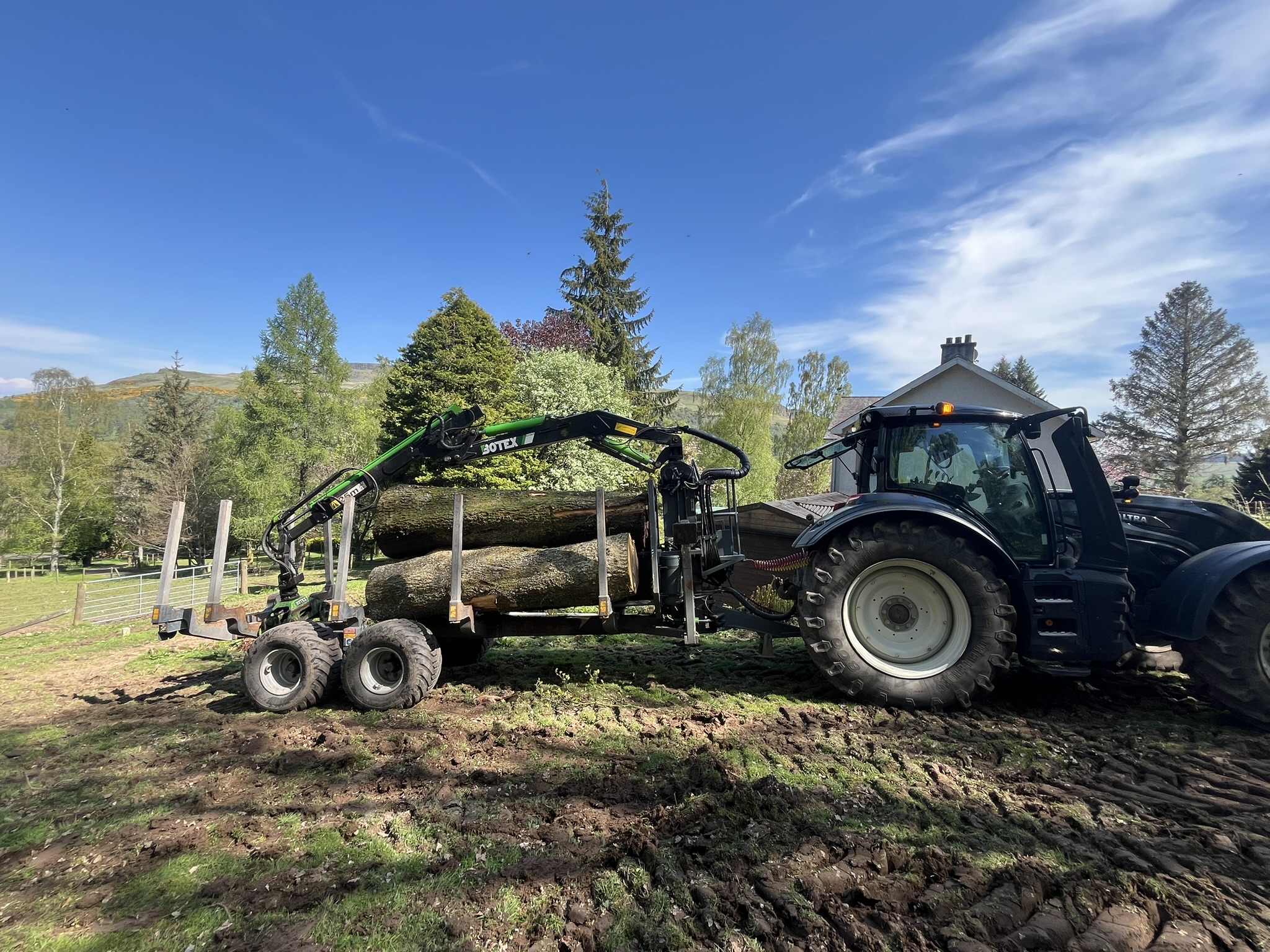
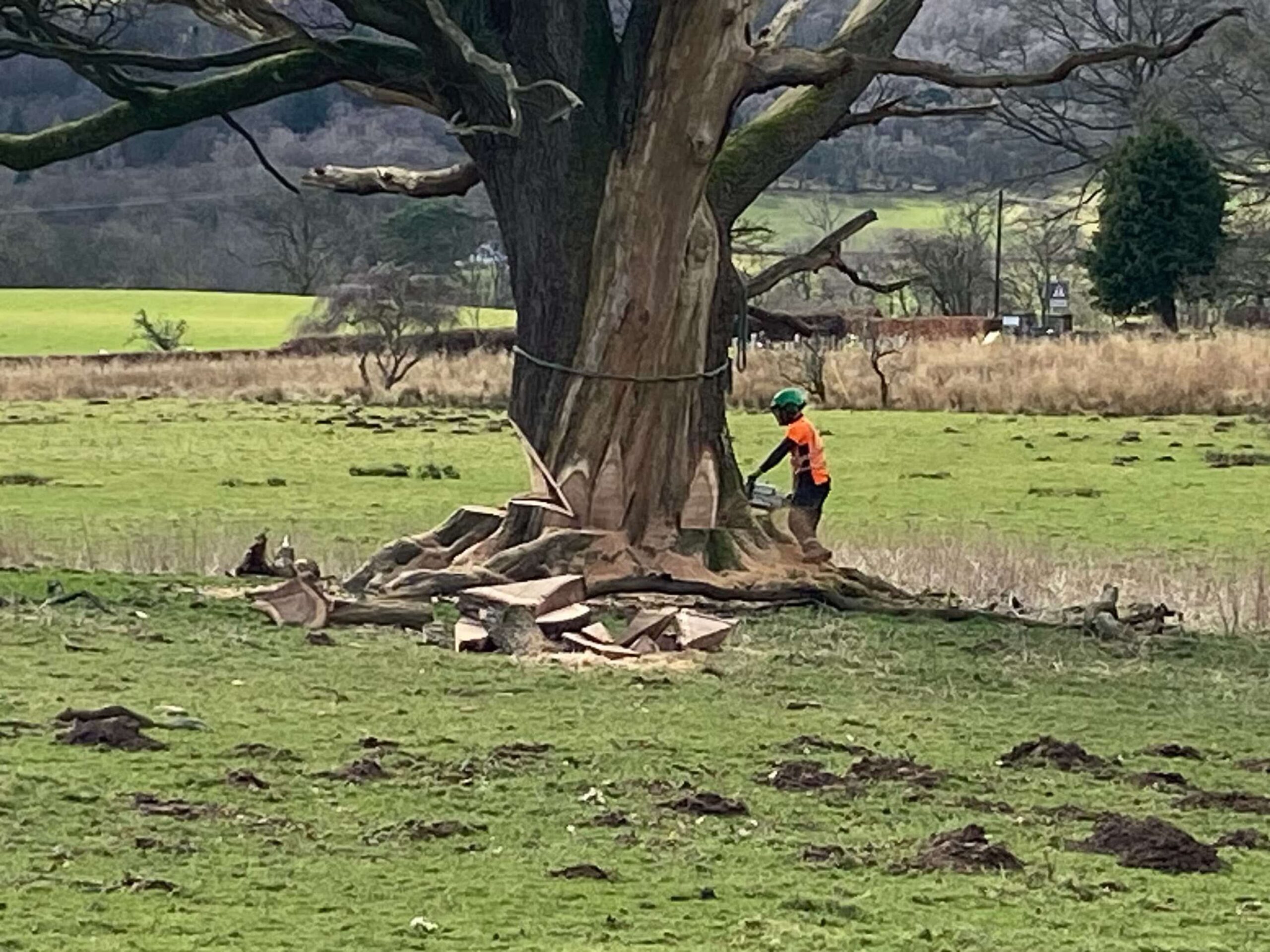
Gallery of Previous Work Done
Why Choose CNJ Tree Services?
Scotland's leading comprehensive tree and property service company.
60+ Specialist Tree Services
From basic pruning to de-vegetation and complex ecological assessments
30+ Years of Experience
Core team made up of highly experienced third-generation tree surgeons
24-hour Availability For Emergencies
Average response time under 2 hours
Up to £5M
Insurance Cover
Comprehensive cover for complete peace of mind
Professional Credentials
NPTC, Lantra, FMO and NPORS certified professionals ensuring the highest standards of safety and expertise on every project.
Environmental Expertise
Ecological surveys and compliance specialists
What Our Clients Have Said About Us
Jackie Breen
From the first time getting in touch with Callum, the service was fantastic, he came out gave us a great quote and was able to do the job very quickly. The boys that came to carry out the work were professional, friendly and worked non stop to get the job done, they were so careful with machinery on the property as well and left the garden and paths spotless before they left. I would highly recommend them.
"
Alan
Callum and his team arrived on the agreed day & time, carried out the tree felling with impeccable professionalism and cleared up after. The work was done at the quoted price and they were very pleasant guys with no bad language. I highly recommend CNJ and I will certainly be using Callum and his 5 star tree fellas again.
"
Robin Campbell
Callum and his team felled four 40-foot+ trees in our garden, facing particular challenges (2 trees hanging over our LPG tank, one menacing a precious rhododendron). They worked incredibly hard, were great to deal with and we would thoroughly recommend them.
"
Our Service Areas
We Cover All of Glasgow and West Scotland
Primary Coverage
- Balfron
- East Dunbartonshire
- Glasgow City
- Killearn
- Renfrewshire
- South Lanarkshire (selected areas)
- Stirling
- Strathblane
- West Dunbartonshire
Key Locations
• Balfron • Bearsden • Bothwell • Clarkston • Clydebank • East Kilbride • Fintry • Giffnock • Hamilton • Killearn • Kippen • Kirkintilloch • Milngavie • Newton Mearns • Paisley • Strathblane • Stirling
Emergency Response
50-mile radius
Commercial Projects
We undertake commercial projects across Scotland.
CNJ Tree Services
Address
Office 1, Technology House,
9 Newton Pl, Glasgow G3 7PR, United Kingdom
Call Now
Contact Us Today
Contact Us Today
What a Commercial Ecological Impact Assessment Report Actually Covers
- A desk-based data search covering statutory sites, habitat records and species records within roughly 2km of the site
- An extended Phase 1 habitat survey with National Vegetation Classification and UK Habitat mapping, recorded on site with GPS and photographs
- Protected species surveys scoped to whatever the desk study flags as likely on that site - bat emergence checks, breeding bird surveys, badger and other mammal sign surveys
- A written EcIA or Preliminary Ecological Appraisal report covering habitat classification, species findings, impact significance and mitigation recommendations, formatted for submission to the planning authority
- Biodiversity net gain metric calculations where a development needs to show a measurable habitat uplift
- Method statement support for European Protected Species licence applications where a licensable species is confirmed on site
Not Included / Costed Separately
- Protected species surveys are priced and scoped per species group once the desk study flags them as likely - they are not automatically bundled into the base assessment fee
- Bat and breeding bird surveys have to run inside their active season (roughly May-September for bats, March-August for birds), so a report cannot be fast-tracked outside those windows regardless of a project deadline
- A European Protected Species Licence application is a separate piece of work from the assessment report itself, quoted on its own
- Any physical mitigation work that a report recommends - habitat creation, vegetation clearance, species translocation - is carried out as a follow-on job rather than being part of the assessment; where the follow-on work is tree-related, see arborist services for the survey and clearance side of it
How We Take a Report From First Enquiry to Planning Submission
- Initial enquiry and site details: You send over the site address, a red-line plan and whatever planning correspondence has flagged the ecology requirement, so we can see exactly what the local authority is asking for before quoting a scope.
- Desk-based data search: We run the roughly 2km statutory and non-statutory records search first - existing bat roost records, protected species records, local wildlife sites - so the field visit is scoped to what the site could realistically hold rather than checked against every species group by default.
- Site visit and habitat survey: A surveyor walks the site to classify habitats under the UK Habitat/NVC system, records GPS points and photographs, and notes anything - cavity trees, ponds, dense scrub, outbuildings - that might need a follow-on protected species check.
- Protected species surveys where flagged: If the desk study or the walkover flags bats, breeding birds, badgers or another protected species, those surveys are booked into their active season and scoped and quoted as their own piece of work rather than assumed into the base fee.
- Report write-up: Findings go into an EcIA or Preliminary Ecological Appraisal report with habitat maps, species findings, an assessment of impact significance and mitigation recommendations, formatted the way planning portals expect to receive it.
- Submission and follow-up queries: The finished report is handed over ready for the applicant or agent to submit, and we’re available afterwards to answer any planning officer queries or requests for further information that come back on it.
Standalone Ecologist vs an Integrated Tree and Ecology Team
| Factor | Typical standalone ecology consultant | CNJ Tree Services |
|---|---|---|
| Site visits | Ecologist visits separately from any tree surveyor the project also needs | Habitat/species survey can be carried out alongside a BS5837 tree survey on the same visit where a project needs both |
| Follow-on tree or vegetation work | Referred out to a separate tree contractor, adding a second procurement round | In-house climbing team and owned plant fleet (cherry picker, excavators, forwarders) can carry out any resulting tree work directly |
| Report pairing | Ecology report only | Ecology report can be paired with the arboricultural planning documents (BS5837 survey/report) a site may also need |
| Local planning contact | Varies by consultant | Regular contact with Glasgow City, East Dunbartonshire and East Renfrewshire planning teams on TPO and Conservation Area cases |
What Actually Determines Whether a Report Gets Through Planning First Time
A planning officer reading an EcIA doesn’t query the writing style, they query the numbers - the scoping decision on which protected species surveys were actually needed, the biodiversity net gain metric calculation itself, and, where a licensable species is confirmed on site, the method statement behind a European Protected Species licence application are the parts that get checked line by line before a determination moves forward. That’s the work we scope and price carefully rather than bundling in as standard, because a badger survey or bat emergence check the site never needed just adds cost, while a report that’s missing a survey the site did need comes straight back as a request for further information. Where a site also needs a BS5837 tree survey alongside the ecology report, Callum Jackson’s NPTC Professional Tree Inspector qualification means both documents can be produced from the same site visit rather than two consultants working from separate notes, and if the report ends up recommending physical mitigation - felling, canopy reduction, scrub clearance to make way for habitat creation - our own climbing team and owned plant fleet can carry that out directly instead of the job being referred out and re-quoted from scratch. Everything from the initial data search through to any follow-on tree work sits under our £5 million public liability insurance.
Which Council Is Determining the Application Matters More Than Which Part of the City
Because a biodiversity net gain calculation or a European Protected Species method statement only has to satisfy the specific authority reviewing that application, the detail a report needs varies more by whether Glasgow City, East Dunbartonshire or East Renfrewshire is determining it than by where in the city the site itself sits - each authority runs its own preferred BNG metric version and its own habitat officer sign-off, and matching that pairing correctly the first time is what keeps a submission out of a query round. Beyond that administrative distinction, the site conditions we get called out to tend to fall into two recurring patterns: land close to the Kelvin, the Clyde or the Forth & Clyde Canal often carries boggy ground, drainage ditches or bank-side scrub that reads as habitat on a Phase 1 walkover, and the slow-draining clay subsoil typical of this stretch of the Clyde valley can leave that ground wet late enough into the season to matter for an amphibian or badger check. Older residential plots - Pollokshields and parts of the West End are the recurring examples - bring the opposite trigger: garden trees planted well over a century ago often carry the cavities or loose bark that push a bat scoping survey onto the quote before an application can be lodged. This is a commercial service rather than our routine domestic tree work, so it isn’t held to the closer working radius we quote for garden jobs - a site anywhere in Scotland can be covered; tell us where it is and which authority is determining the application and we’ll confirm what the report needs to include.